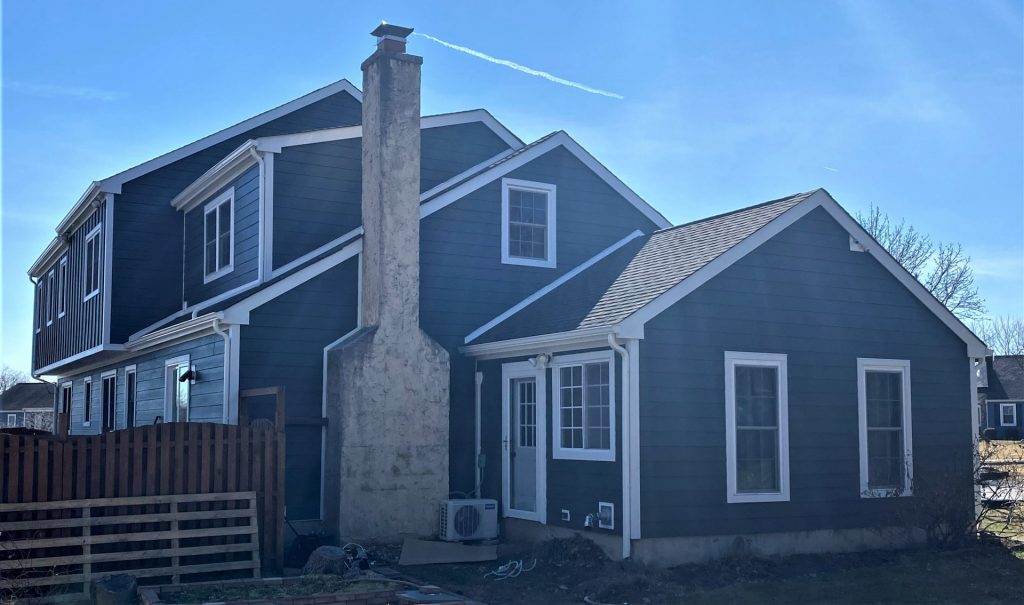
How Long Should Your Roof Last? A Material-by-Material Guide
Quick Answer:
The lifespan of your roof depends on the material.
- Three-tab asphalt shingles: ~20 years
- Architectural asphalt shingles: ~30 years
- Wood shingles/shakes: 40–50 years
- Metal roofing: 40–80 years
- Clay tiles: 100+ years
- Concrete tiles: 100+ years
- Slate roofing: 60–150 years
- Copper roofing: 70+ years
- Synthetic/slate alternatives: 10–35 years
- TPO (Thermoplastic Olefin): 7–20 years
- EPDM rubber roofing: 15–25 years
- Modified bitumen: ~20 years
- Built-up roofing (BUR): ~30 years
- Fiber cement roofing: ~25 years
- Green roofs (vegetation-covered): 5–40 years
Want your roof to last longer? Focus on proper installation, regular inspections, and preventative maintenance.

How Long Should Your Roof Last
Why Roof Lifespan Matters
Your roof is one of the biggest investments you’ll make in your home. It’s your first line of defense against the elements, and when it fails, the consequences can be costly. Knowing how long a roof should last isn’t just useful—it’s essential. This knowledge helps homeowners plan for the future, avoid surprise expenses, and ensure their home stays protected for decades.
If you’ve been wondering, “How long should your roof last?” — this guide has the answers, broken down by material, with tips to maximize durability.
Lifespan by Roofing Material: Complete Breakdown
Different roofing materials have different expected lifespans, depending on their composition, durability, and how they’re installed. Below is a breakdown of the most common types of roofing, and what kind of longevity you can expect from each.
Asphalt Shingles
Asphalt shingles are the most popular roofing material in the United States due to their affordability and decent performance. There are two main types:
- Three-tab shingles: ~20 years
- Architectural/dimensional shingles: ~30 years
These shingles offer good protection, but are more susceptible to damage from wind, hail, and extreme temperature shifts.
Metal Roofing
Metal roofing is known for its strength, energy efficiency, and long lifespan. It’s more expensive upfront but can pay off in the long run.
- Steel or aluminum: 40–60 years
- Standing seam metal: 50–80 years
- Copper: 70+ years
Its reflective surface can help lower energy bills, and it resists fire and weather damage exceptionally well.
Clay and Concrete Tiles
These are premium roofing options that deliver timeless beauty and unmatched durability. However, they are heavy and require professional installation with reinforced roof structures.
- Clay tiles: 100+ years
- Concrete tiles: 100+ years
They are ideal for hot, dry climates but can be brittle under certain impact conditions like hail.
Slate Roofing
Natural slate is one of the most durable and luxurious roofing materials available. It has been used for centuries and is still one of the longest-lasting options today.
- Natural slate: 60–150 years
Slate is fireproof, mold-resistant, and visually striking—but also very heavy and costly to install.
Wood Shingles and Shakes
Wood roofing offers a rustic, natural look and decent insulation properties. However, it requires regular upkeep to avoid mold, rot, and insect damage.
- Cedar, redwood, or pine: 40–50 years
It’s best for dry climates and homeowners willing to invest in maintenance.
Synthetic Roofing (e.g. Simulated Slate)
These are made from rubber, plastic, or polymer composites and are designed to mimic high-end materials at a lower cost and weight.
- 10–35 years depending on brand and material
They can be a good balance between performance and budget, but quality varies widely.
Flat/Low-Slope Roofing
Flat and low-slope roofs use completely different systems from pitched roofs. Their lifespan is often shorter, but they’re essential for certain home styles and commercial buildings.
- TPO: 7–20 years
- EPDM rubber: 15–25 years
- Modified bitumen: ~20 years
- Built-up roofing (BUR): ~30 years
These materials are generally more affordable but require precise installation and regular maintenance.
Green Roofs (Vegetation-Covered)
Green roofs are increasingly popular for eco-conscious homeowners and urban buildings.
- 5–40 years depending on maintenance and design
They reduce energy use and improve air quality, but their longevity heavily depends on the structure and maintenance.
What Impacts How Long Your Roof Lasts?
Even the best materials won’t last if other factors aren’t in your favor. Here are the key variables that can shorten—or extend—your roof’s life:
Climate & Weather
Your local climate has a huge impact. Frequent freeze-thaw cycles, blazing sun, hailstorms, or hurricanes can age a roof faster.
Installation Quality
A high-end material poorly installed will fail quickly. Make sure to work with certified, reputable roofing contractors.
Ventilation & Insulation
Poor airflow in your attic traps moisture and heat, which breaks down materials and promotes mold. Proper ventilation can double the life of your roof.
Maintenance & Inspections
Regular maintenance allows you to catch issues early, before they turn into major repairs. This is one of the most underrated ways to extend roof life.
Tree Coverage & Debris
Overhanging trees may drop branches or shed debris that traps moisture and causes decay or mold. Keep your roof clear and your trees trimmed.
How to Extend the Life of Your Roof
Roof replacements are costly, so it’s smart to preserve your roof for as long as possible. These habits will help you get the most out of your investment:
- Inspect twice a year (spring/fall) for damage or wear
- Remove debris like leaves, moss, or branches
- Clean your gutters to prevent water buildup
- Trim nearby trees to avoid impact or abrasion
- Address small repairs immediately (e.g., cracked shingles)
- Use roof coatings/sealants where applicable (esp. flat roofs)
Just a little attention each year can delay full replacement by many years.
When to Replace Your Roof
Sometimes repairs aren’t enough. These signs often mean replacement is your best option:
- Shingles are curling, cracking, or missing
- Granules collecting in gutters
- Sagging rooflines
- Leaks or interior water damage
- Moss or algae growth
- Roof is past expected lifespan for its material
A roof inspection from a licensed contractor can confirm whether you need repair or full replacement.
How Long Should Your Roof Last
Roofing Expertise You Can Trust
At Kesting Construction, we’ve helped hundreds of homeowners in Pennsylvania protect their homes with durable, long-lasting roofing systems. We use only premium materials and certified installation teams, backed by years of hands-on experience.
We believe in honesty, quality craftsmanship, and helping you choose the roofing solution that fits your home, climate, and budget.
Ready for a Roof That Lasts?
Request your free estimate today.
Related Reading
FAQ: How Long Should Your Roof Last?
- Q: How long does an asphalt roof last?
A: Three-tab shingles last ~20 years; architectural shingles last ~30. - Q: What is the longest-lasting roofing material?
A: Slate, clay tile, and concrete tile can last 100+ years. - Q: Can I extend my roof’s lifespan?
A: Yes. Regular maintenance and timely repairs are key. - Q: When should I replace my roof?
A: When it shows signs of wear, leaks, or reaches its expected lifespan.