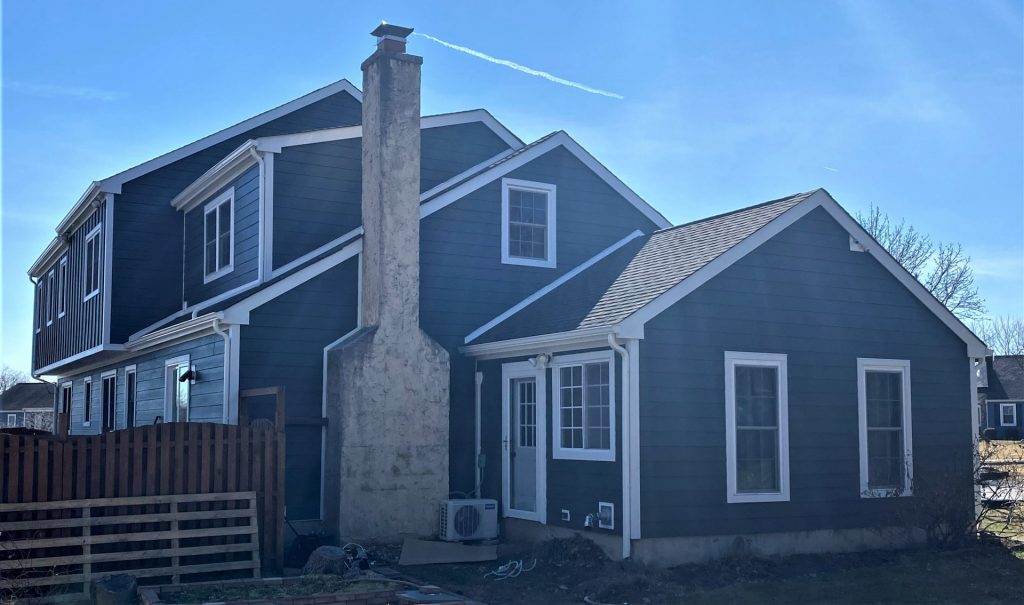
How to Spot Roof Damage: A Comprehensive Guide for Homeowners
Roof damage is a homeowner’s silent adversary, often going unnoticed until it becomes a significant and costly problem. Whether the result of a powerful storm, years of wear and tear, or seasonal weather changes, knowing how to spot roof damage early can protect your home, your family, and your investment.
At Kesting Construction, we’re dedicated to helping homeowners throughout Schwenksville, Montgomery County, and surrounding Pennsylvania towns understand the signs of roof damage, why they matter, and what to do next. This guide breaks down the most common indicators of roofing issues and offers practical steps to address them before they escalate.
How to Spot Roof Damage
Why Regular Roof Inspections Matter
Maintaining a healthy roof starts with regular inspections. Roof problems rarely appear overnight; most begin small and worsen over time. Preventative inspections—especially in spring and fall—help you catch issues before they lead to leaks, structural damage, or costly repairs.
Here’s why inspections are essential:
- Early Detection: Identify wear and tear before it becomes a leak or structural issue.
- Extended Roof Life: Catching problems early can lengthen the lifespan of your roof system.
- Insurance Readiness: Annual inspection reports help with documentation for claims after severe weather.
- Safety: A properly maintained roof safeguards your home, possessions, and family.
For detailed, professional assessments, scheduling a roof inspection with a trusted roofing contractor like Kesting Construction is always recommended.
Critical Signs of Roof Damage Every Homeowner Should Know
1. Damaged or Missing Shingles
Shingles are your roof’s first line of defense against rain, wind, snow, and sun. Cracked, curled, warped, or missing shingles are often the most visible indicator of roof damage.
Why it matters:
- Compromised shingles allow moisture to enter layers beneath the surface.
- Wind uplift can blow off shingles during storms, exposing roof decking.
- Sun and temperature fluctuations accelerate shingle deterioration over time.
If you notice shingle damage after a storm or during a DIY inspection, contact a professional right away.
2. Excessive Granule Loss
Asphalt shingles naturally shed granules with age, but heavy granule loss is a sign of accelerated wear. These granules resemble coarse, black sand and often collect in gutters and downspouts.
Look for:
- Clumps of granules in gutters
- Areas of bare shingle surface showing underlying mat
- Visible granule erosion during or after storms
Significant granule loss reduces your shingles’ ability to protect your home from UV rays and moisture.
3. Sagging Roof Deck or Uneven Surface
A sagging roof surface usually points to trapped moisture, structural stress, or failing support materials. It’s one of the most serious signs of roof damage and should never be ignored.
This condition may indicate:
- Compromised decking
- Water intrusion over time
- Structural weakening due to rot or pests
If your roofline appears uneven from the ground or you notice dips when inside your attic, call a professional immediately.
4. Interior Water Stains or Ceiling Damage
Water stains, peeling paint, or sagging drywall on ceilings and walls are classic signs of roof leaks.
Pay attention to:
- Rust streaks on metal fixtures
- Dark patches or discoloration on ceilings
- Musty odors indicating long‑standing moisture
Even small leaks can cause mold growth and structural damage over time, so prompt action is critical.
5. Mold, Mildew, or Moss Growth
While moss doesn’t always indicate structural damage, heavy moss or mold growth often correlates with trapped moisture and poor roof ventilation.
Signs to watch for:
- Green patches spreading across roofing materials
- Black streaks along roof valleys
- Damp or moldy attic insulation
Moss retains moisture, which can accelerate deterioration and shortens roof life if left untreated.
6. Clogged or Damaged Gutters
Your gutters and downspouts play a crucial role in directing water away from your roof and foundation. When they’re clogged or damaged, water can back up under shingles, leading to rot and leaks.
Check for:
- Excess debris or granules filling gutters
- Water overflow during rain
- Detached or sagging gutter segments
Routine gutter maintenance goes hand‑in‑hand with roofing health.
7. Daylight Visible Through Roof Boards
If you can see daylight through roof boards when in the attic, that’s a strong indicator of significant roof damage.
This means:
- Open seams or missing shingles
- Compromised waterproof layers
- Increased risk of leaks and energy loss
Any visible gaps should be addressed by a professional immediately.
Preventive Measures and Immediate Actions
Spotting roof damage is one skill—but knowing how to act on it is equally important. Once you notice signs of damage, take these steps:
Secure the Area
If water infiltration has begun, move valuables out of harm’s way. Use waterproof tarps as a temporary cover to reduce further water entry until professionals arrive.
Document the Damage
Take clear photos and detailed notes of every damaged area. This documentation helps with insurance claims and gives your roofing contractor a better starting point for repair planning.
Contact a Professional Roofing Contractor
Roof inspection and repair should never be a DIY project. Contacting a reputable roofing contractor like Kesting Construction ensures that damage is assessed and repaired safely, accurately, and in line with industry standards.
Our team provides:
- Comprehensive roof assessments
- Written estimates with transparent pricing
- Durable repairs using quality materials
- Safety‑first workmanship
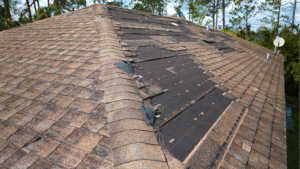
How to Spot Roof Damage
How to Choose the Right Roofing Contractor
Not all roofers are created equal. Choosing the right contractor protects your investment and helps prevent recurring issues.
When evaluating a roofing contractor, consider the following:
Experience and Expertise
Look for a contractor with a proven track record of roof repairs and full replacements. Experience with various roofing materials—especially asphalt shingles, metal, and architectural shingles—ensures they can handle your specific needs.
Licenses and Insurance
A professional contractor should carry proper licensing and insurance. This protects you from liability and ensures the team working on your home is covered.
Warranty Options
Ask about warranties for both materials and workmanship. A strong warranty reflects confidence in quality and gives you long‑term peace of mind.
Reviews and References
Check online reviews and ask for references from previous customers. Reliable contractors will have a solid reputation and satisfied homeowners willing to share their experience.
Conclusion
If left unaddressed, small roof issues can escalate into major structural damage and costly repairs. Learning how to spot roof damage early empowers you to take action before problems worsen.
At Kesting Construction, we help homeowners protect what matters most. From thorough roof inspections to expert repairs and replacements, our team provides trusted service to keep your roof—and your home—in top condition.
Don’t wait until a small issue becomes a big problem. For more information on spotting roof damage or to schedule a professional inspection, contact us today. Let’s ensure your roof remains strong, safe, and dependable for years to come.