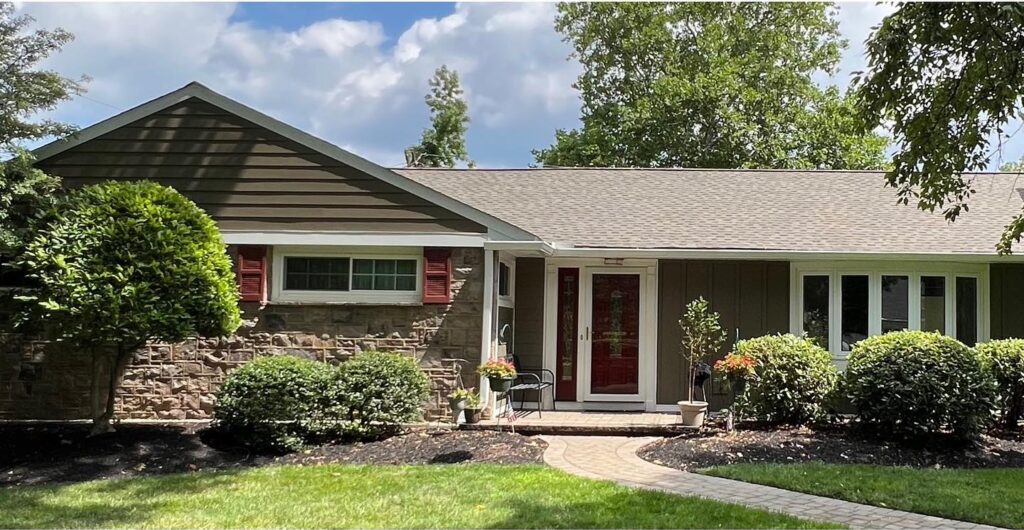
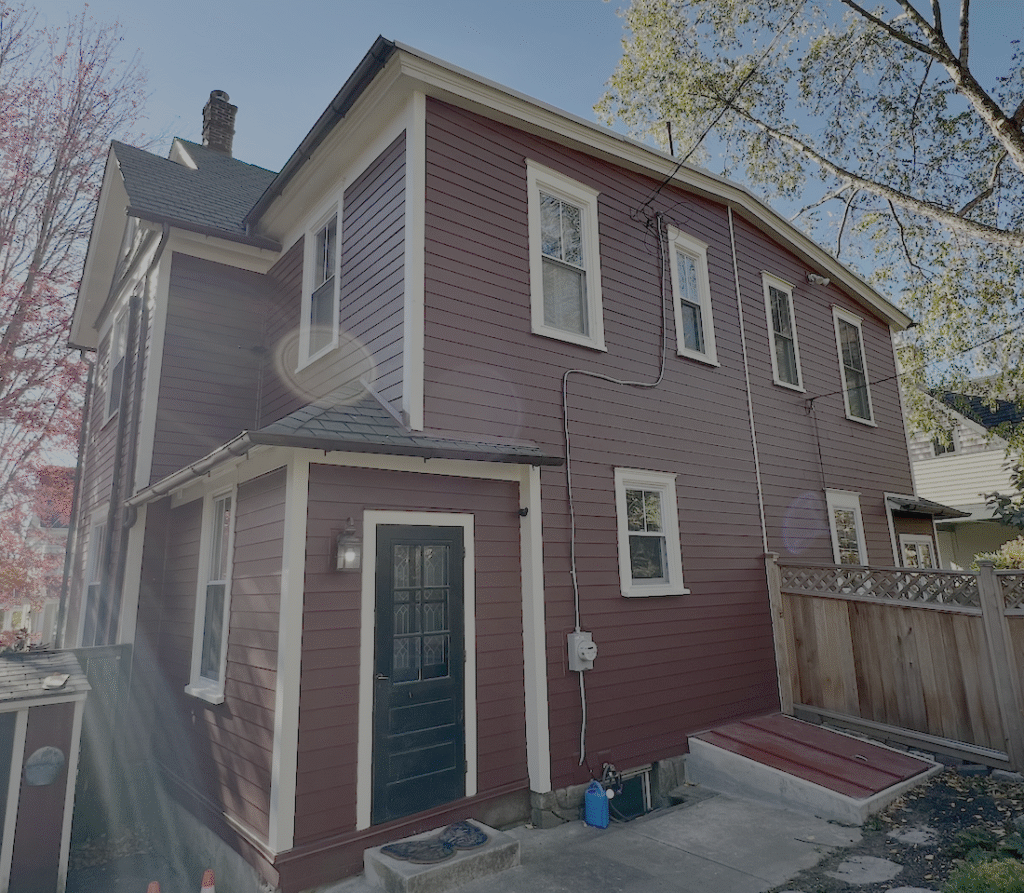
HardiePanel is a fiber cement panel siding product. A successful installation depends on product-specific instructions and the wall assembly—not a universal fastening or caulking recipe. This guide explains what Pennsylvania homeowners should discuss with a contractor before the work begins.
Start with the correct product and instructions
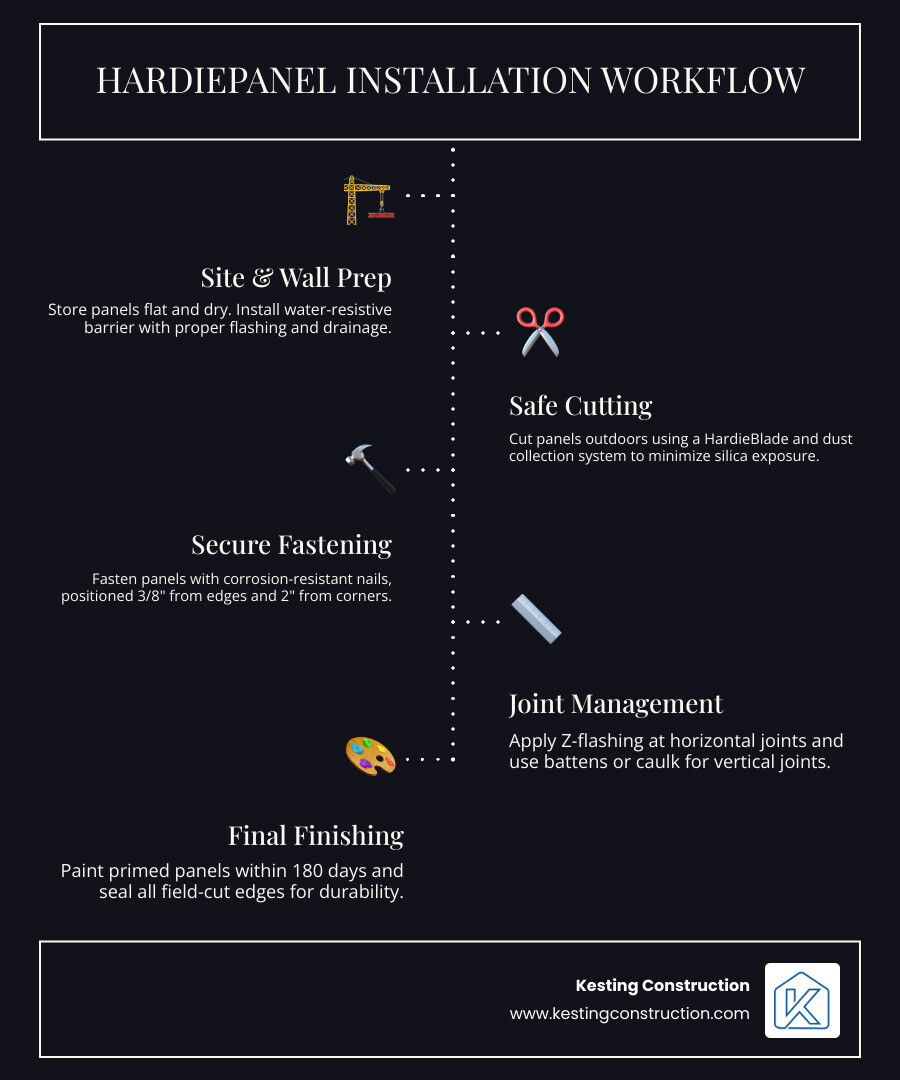
Confirm the panel, finish, intended application and applicable manufacturer instructions. Requirements can differ by product, framing, wind exposure and wall design. Ask your contractor to identify the relevant James Hardie installation documents rather than relying on a general online checklist.
Inspect the existing wall before covering it
Removal can reveal damaged sheathing, deteriorated trim or moisture around openings. Discuss how those conditions will be documented, priced and repaired before new siding is installed. Covering a problem does not resolve its cause.
Discuss drainage and flashing
Siding forms one part of the exterior wall. The water-resistive barrier, flashings and drainage details must work together at windows, doors, roof intersections and penetrations. Ask how these layers will connect and where water is intended to drain.
Clearances, joints and fasteners are product-specific
Required gaps, fastener patterns and joint treatments depend on the applicable instructions and project design. Some joints require flashing or another detail rather than caulk. The contractor should explain these requirements before installation and check them during the work.
Plan for safe cutting and handling
Cutting fiber cement can create respirable crystalline silica dust. Installers need suitable exposure controls, equipment and work practices. Homeowners should keep children, pets and bystanders away from the work area. The manufacturer provides silica safety resources; this homeowner overview is not a cutting or installation manual.
Understand the finish and warranty
Confirm whether panels arrive primed or factory-finished, which approved touch-up products apply and how stored materials will be protected. Ask for the current product, finish and workmanship warranty documents. These cover different things and have their own conditions.
Questions to ask a Pennsylvania siding contractor
- Have you completed comparable panel siding projects?
- What wall preparation and moisture details are included?
- How will you document concealed damage or scope changes?
- Who checks installation details before the job is completed?
- What maintenance instructions will I receive?
For homeowners in Schwenksville and Montgomery County, a detailed written proposal makes it easier to compare installation approaches. Kesting Construction can discuss panel siding options as part of an exterior remodeling assessment.