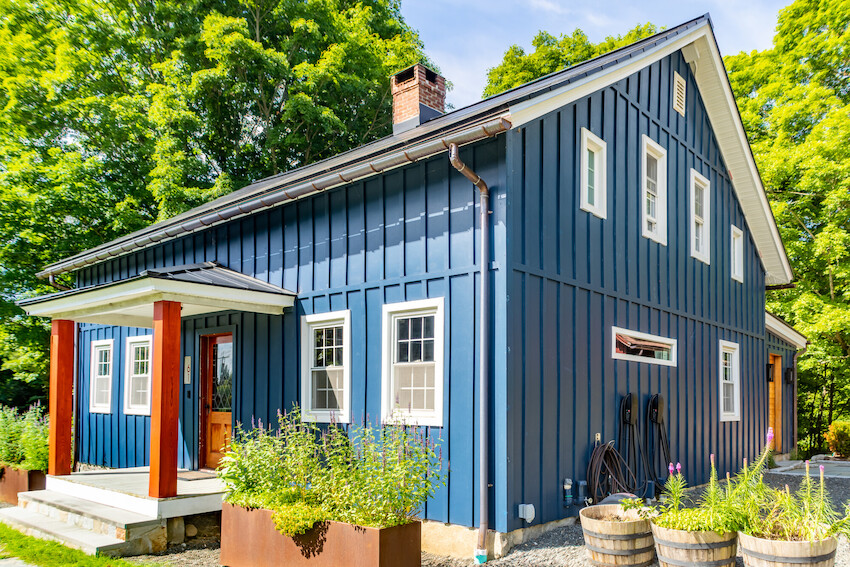
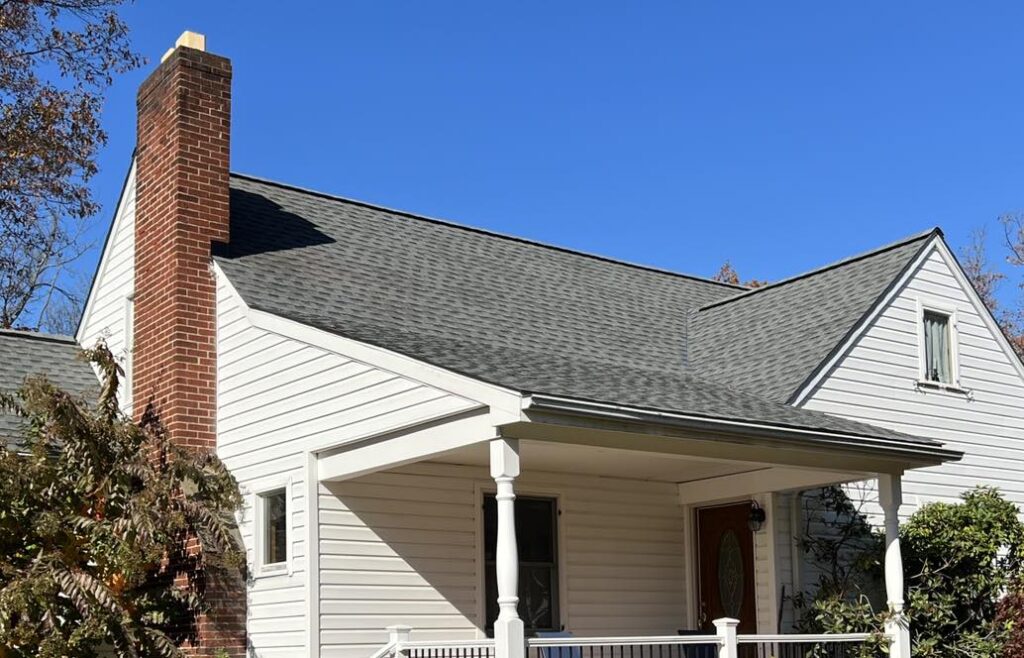
A siding replacement budget should cover the complete exterior project—not just panels and installation labor. For Pennsylvania homes, the existing cladding, wall condition, access, trim and water-management details can change the scope substantially.
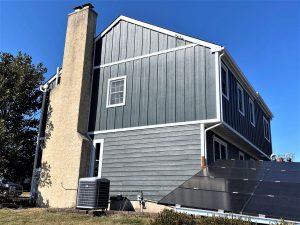
Start with the walls that need work
Ask for measured exterior wall area and an explanation of how openings, gables and other details are handled. Interior living space is not the same as siding area. Two homes with similar floor plans can require different quantities of cladding and trim.
Separate removal and concealed repairs
Existing siding or stucco may need removal before the underlying wall can be assessed. Ask what is included in demolition and disposal, what repair allowance is included and how additional damage would be documented and approved.
Compare material and finish choices
Vinyl, fiber cement and wood have different installation and maintenance requirements. Within each type, product grade, profile and finish affect the proposal. Compare the exact specified products rather than broad material labels.
Include the details around the siding
- Water-resistive barriers and flashing.
- Window and door trim, corners, soffit and fascia where included.
- Access equipment and protection of surrounding areas.
- Optional insulation or air sealing.
- Cleanup and waste removal.
Compare written scopes before headline prices
A smaller quote may exclude repairs, trim or removal that another contractor includes. Ask about payment milestones, change orders, scheduling assumptions and written warranty terms. Do not treat a national cost average or a resale-value percentage as a quote for your property.
Build a budget around an assessment
Kesting Construction serves Schwenksville, Montgomery County and surrounding Pennsylvania communities. A site assessment and a clearly defined scope provide a more useful basis for budgeting than a universal whole-house price.