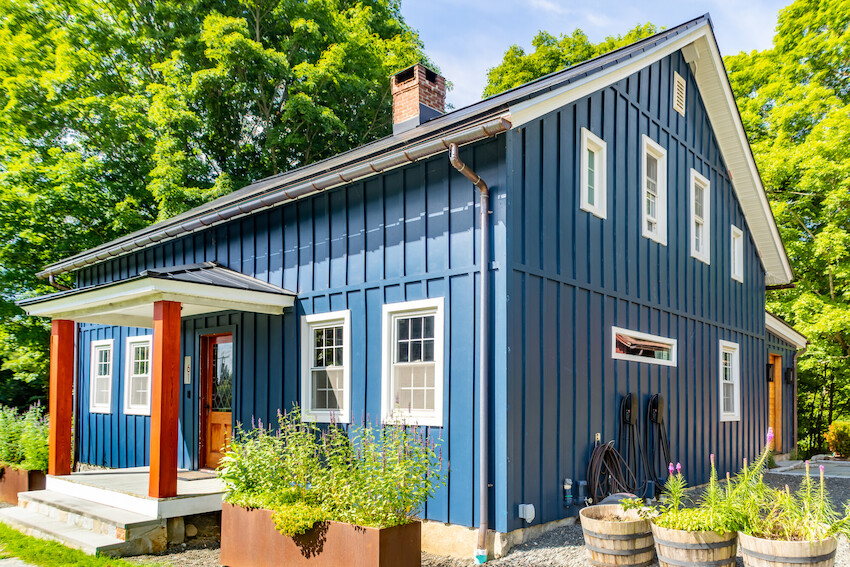
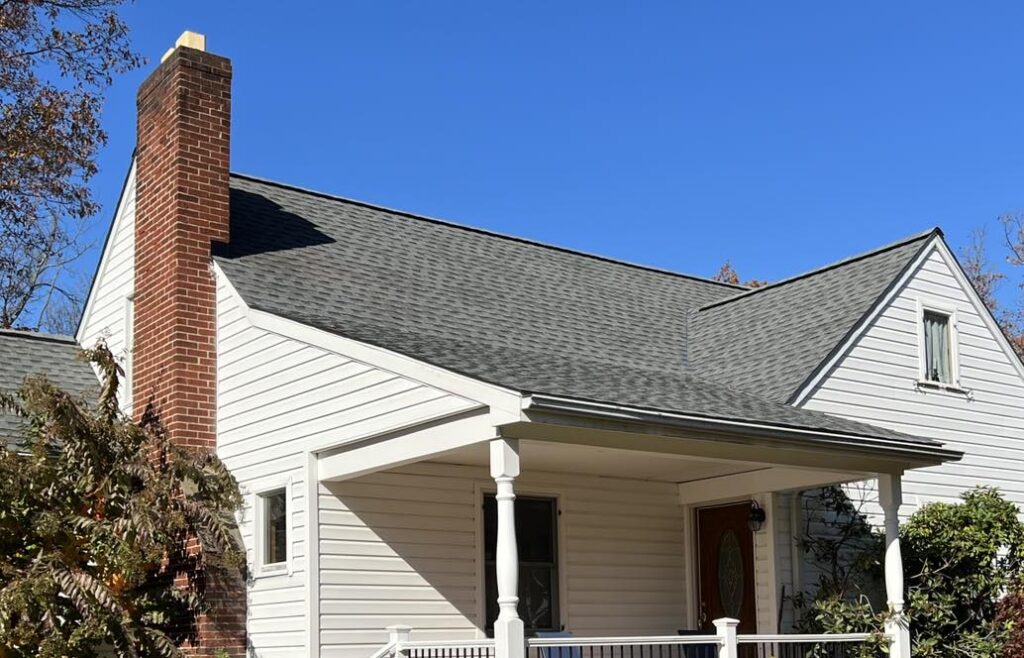
Choosing siding in Pennsylvania is about more than finding the right color. Your home’s exterior has to handle freezing winters, humid summers, heavy rain, wind, hail, and repeated temperature changes—sometimes within the same week.
That makes material selection especially important. A siding product that performs well in a mild climate may crack, warp, absorb moisture, or require frequent maintenance under Pennsylvania conditions.
For many homeowners, James Hardie fiber cement is the best all-around siding for Pennsylvania because it combines weather resistance, long-term durability, low maintenance, and a refined appearance. Vinyl can still be a practical choice when upfront cost is the main concern, while wood, engineered wood, and aluminum each suit certain homes and priorities.
Below, we compare the leading options so you can make a confident decision for your home and budget.
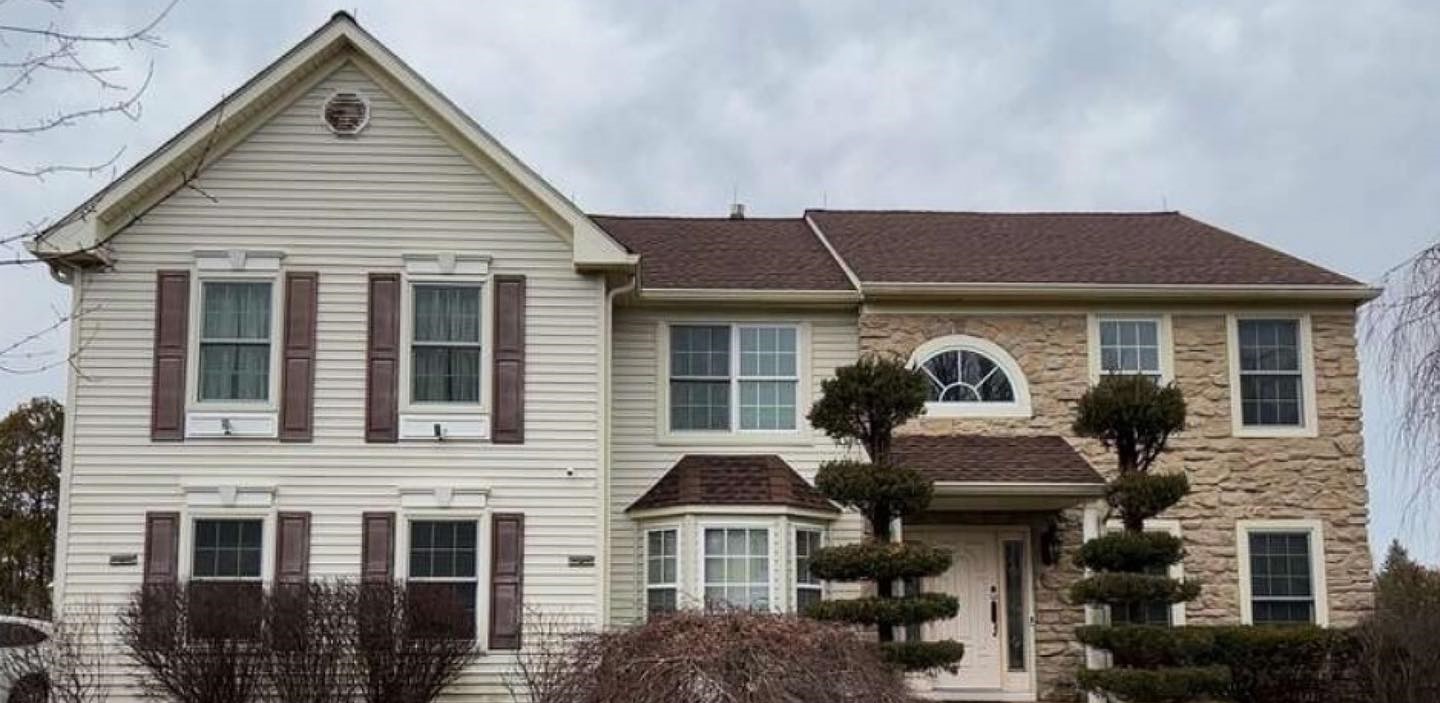
What Does Pennsylvania Weather Demand From Your Siding?
Pennsylvania homes experience conditions that can be hard on exterior materials:
- Freeze-thaw cycles that cause materials to repeatedly expand and contract
- Humid summers and heavy rainfall that increase moisture exposure
- Snow and ice that can remain against exterior surfaces
- High winds and wind-driven rain during thunderstorms
- Hail and airborne debris during severe weather
- Strong sun exposure that can fade some finishes
Good siding should do more than look attractive on installation day. It should help manage moisture, hold its shape through temperature changes, resist pests and impact, and continue protecting the structure behind it for years.
Proper installation matters just as much as the product. Flashing, house wrap, clearances, fastener placement, trim details, and water management all affect how the complete exterior performs. That is why Kesting Construction approaches siding as a system—not simply as panels attached to a wall.
Quick Comparison: The Best Siding Materials for Pennsylvania
| Siding material | Best for | Main advantage | Main consideration |
|---|---|---|---|
| James Hardie fiber cement | Long-term performance and curb appeal | Excellent durability in changing weather | Higher upfront investment and precision installation required |
| Vinyl | Budget-conscious projects | Affordable and low maintenance | Can crack, warp, or fade over time |
| Engineered wood | A warm wood appearance with less upkeep | Lighter than fiber cement and visually appealing | Quality and moisture performance vary by product |
| Natural wood | Historic character and authentic detail | Timeless appearance | Regular painting, sealing, and moisture monitoring |
| Aluminum | Certain remodels and older homes | Will not rot and is relatively lightweight | Can dent, scratch, and look dated |
1. James Hardie Fiber Cement Siding: Best Overall for Pennsylvania
Fiber cement siding is made from a blend of cement, sand, water, and cellulose fibers. James Hardie manufactures fiber cement products engineered for different climate zones, making the system particularly well suited to Pennsylvania’s seasonal changes.
Why it performs well here
James Hardie siding resists many of the problems that shorten the life of other exterior materials. It does not rot like untreated wood, attract woodpeckers or termites, or become brittle in cold weather the way some vinyl products can. It is also noncombustible and designed to withstand moisture and changing temperatures when installed correctly.
Homeowners can choose from lap siding, vertical panels, shingle-style siding, and trim details in a wide range of colors. That versatility makes fiber cement appropriate for everything from traditional stone-front homes to modern renovations.
Maintenance and lifespan
Fiber cement is low maintenance, but no exterior is completely maintenance-free. Homeowners should keep gutters working properly, maintain caulk where required, clean ordinary dirt from the surface, and periodically inspect areas around windows, doors, rooflines, and penetrations.
With professional installation and reasonable care, fiber cement can provide decades of service. It is the strongest choice for homeowners who prioritize long-term performance, a substantial appearance, and lower maintenance than natural wood.
What does James Hardie siding cost in Pennsylvania?
Kesting Construction’s current Pennsylvania siding cost guide lists broad installed pricing of approximately $10–$14 per square foot for fiber cement. A complete siding project can vary substantially based on home size, architecture, removal, sheathing repairs, insulation, trim, soffit, fascia, and custom details.
Because installation quality directly affects fiber cement’s performance and warranty compliance, this is not a product to select on price alone. Learn more about Kesting Construction’s James Hardie siding installation in Pennsylvania.
2. Vinyl Siding: Best for a Lower Upfront Cost
Vinyl remains popular because it is widely available, relatively affordable, and offered in many colors and profiles. It does not require painting and can be cleaned with ordinary exterior washing.
Kesting Construction’s current pricing guide places typical installed vinyl siding at approximately $6–$9 per square foot, although the final cost depends on the home and project scope.
Where vinyl makes sense
Vinyl can be a sensible option for a homeowner who wants to update a tired exterior while keeping the initial investment lower. It may also work for rental properties or homes where the owner does not expect to remain for decades.
Pennsylvania considerations
Vinyl expands and contracts as temperatures change. Lower-quality products or incorrect fastening can contribute to buckling, rattling, or distortion. Cold temperatures can make vinyl more vulnerable to impact damage, while sustained heat and intense sun may cause fading or warping.
Vinyl is not automatically a poor choice, but product quality and installation technique matter. Homeowners comparing the two most popular options can read our detailed guide to James Hardie versus vinyl siding.
3. Engineered Wood Siding: Best for a Wood-Like Appearance at a Lower Weight
Engineered wood siding combines wood fibers or strands with resins and protective treatments. It aims to deliver the warmth of wood with less maintenance and improved resistance to common sources of damage.
The material is lighter than fiber cement, comes in convincing wood-grain textures, and can provide strong curb appeal. It may be a good fit for homeowners who prefer a wood aesthetic but do not want the ongoing upkeep of natural cedar.
Performance varies by manufacturer and product line. Correct clearances, edge treatment, flashing, and moisture management are essential. Before selecting engineered wood, compare the specific product warranty and maintenance requirements—not just the sample’s appearance.
4. Natural Wood Siding: Best for Authentic Historic Character
Natural wood offers warmth and architectural detail that manufactured materials try to reproduce. Cedar clapboards and shingles can be especially attractive on historic, traditional, and craftsman-style homes.
That beauty comes with responsibility. Wood must be protected from water, insects, and UV exposure. Paint or stain eventually needs renewal, and vulnerable areas require regular inspection. In a humid climate with freeze-thaw cycles, neglected wood can peel, split, cup, or rot.
Wood is best for an owner who values authenticity and is comfortable budgeting for periodic maintenance. If your goal is the look of painted wood with less upkeep, fiber cement may offer a better balance.
5. Aluminum Siding: Best for Certain Repairs and Existing Homes
Aluminum siding does not rot and can remain functional for many years. It is commonly found on older Pennsylvania homes and may sometimes be repaired or refinished rather than fully replaced.
Its drawbacks include denting, scratching, chalking, and a less substantial appearance than modern fiber cement. Matching older aluminum profiles and colors can also be difficult when only one elevation or a small section is damaged.
If an aluminum-sided home needs repeated repairs, has failing paint, or requires better moisture management behind the siding, complete replacement may provide a more consistent and durable result.
So, Which Siding Is Best for Your Pennsylvania Home?
The answer depends on your priorities:
- Choose James Hardie fiber cement if you want the strongest combination of durability, appearance, weather resistance, and long-term value.
- Choose vinyl if reducing the upfront project cost is your first priority.
- Consider engineered wood if you want a wood-like appearance and a lighter product, after reviewing the exact warranty and maintenance requirements.
- Choose natural wood when authentic character is more important than low maintenance.
- Evaluate existing aluminum individually before deciding whether repair, refinishing, or replacement makes the most sense.
For most full-time homeowners in Southeastern Pennsylvania who plan to stay in their homes, we typically recommend starting the conversation with James Hardie. It is built for changing climates and offers the refined finish many homeowners want without the maintenance demands of wood.
How Much Should You Budget for New Siding?
According to Kesting Construction’s current published guidance, most full-home siding replacements in Pennsylvania begin around $18,000 and can exceed $50,000, depending on size, material, architecture, and project complexity.
The most important cost factors include:
- Total wall area and number of stories
- Gables, dormers, bump-outs, and architectural details
- Removal and disposal of existing siding
- Hidden sheathing or moisture damage
- Insulation and weather-barrier upgrades
- Window, door, corner, and trim details
- Soffit, fascia, and gutter coordination
- Product, profile, color, and finish
Online averages are useful for planning, but they cannot show what is happening behind your existing siding. A detailed on-site assessment provides the clearest scope and helps prevent surprises after work begins.

Why Professional Siding Installation Matters
Even premium siding can fail when water is directed behind it or when required clearances and fastening details are ignored. A quality installation should account for the entire wall assembly, including the weather-resistant barrier, flashing, penetrations, windows, doors, trim, and transitions to the roof and foundation.
Kesting Construction is based in Schwenksville and serves homeowners throughout Montgomery County and surrounding Pennsylvania communities. As a James Hardie Elite Preferred Contractor, our team installs complete exterior systems with a focus on manufacturer requirements, moisture control, clean workmanship, and long-term performance.
Explore our professional siding installation and replacement services or view our James Hardie siding options.
Frequently Asked Questions About Pennsylvania Siding
What siding lasts the longest in Pennsylvania?
Fiber cement is among the longest-lasting practical siding choices for Pennsylvania homes. It resists rot, pests, moisture, and temperature-related movement better than many traditional materials when installed and maintained correctly.
Is James Hardie siding better than vinyl in Pennsylvania?
For homeowners prioritizing strength, dimensional stability, fire resistance, and long-term appearance, James Hardie is generally the better-performing option. Vinyl costs less upfront and may still be appropriate for budget-driven projects.
What siding requires the least maintenance?
Vinyl and fiber cement are both considered low-maintenance. Vinyl does not require painting, while prefinished James Hardie products offer long-lasting color and greater resistance to common forms of physical and weather-related damage. Both should still be inspected and cleaned periodically.
Does new siding improve energy efficiency?
Siding alone is only one part of the exterior wall. The largest improvements often come from correcting air leaks, repairing damaged sheathing, adding appropriate insulation, and installing a continuous weather barrier as part of the project. Read more about energy-efficient siding options.
Can damaged siding be repaired instead of replaced?
Sometimes. An isolated crack or impact-damaged section may be repairable when a matching product is available and the surrounding wall is sound. Widespread damage, moisture intrusion, repeated failures, or aging siding may make replacement the better investment.
Get an Honest Siding Recommendation for Your Home
The best siding is not simply the material with the strongest marketing claim. It is the system that fits your home, architecture, priorities, and budget—and is installed correctly from the first course to the final piece of trim.
Kesting Construction provides clear recommendations and detailed estimates for homeowners in Schwenksville, Pottstown, Hatfield, Warrington, Jamison, Bethlehem, Yardley, and surrounding Pennsylvania communities.
Request your free siding estimate or call 267.441.3070 to discuss the right exterior for your home.