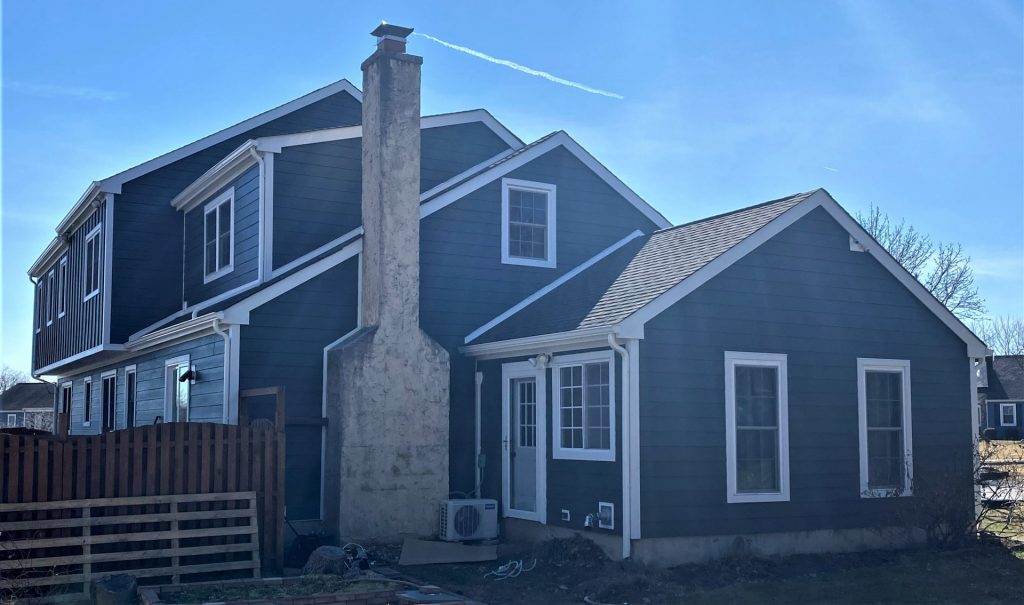
A severe storm moves through Pennsylvania. The rain stops, the wind settles, and your roof still appears to be in place. Does that mean everything is fine?
Not necessarily.
Wind can lift or loosen shingles without tearing them away. Hail can damage protective granules and weaken an asphalt shingle without creating an immediate leak. Wind-driven rain may also find an opening around flashing, vents, skylights, or roof transitions. The first visible sign inside your home could arrive days or weeks later.
If you suspect storm damage, focus on three priorities: stay safe, document what you can see, and arrange a professional roof inspection promptly. Some damage can be corrected with a targeted repair. Other situations call for replacement because the damage is widespread, the roofing system is near the end of its service life, or water has affected multiple components.
Here is how to make an informed decision without rushing into unnecessary work.
What Should You Do Immediately After a Storm?
1. Put safety first
Stay away from downed electrical lines, unstable trees, standing water near electrical equipment, and visibly sagging roof areas. Do not climb onto a wet, steep, icy, or damaged roof. Many important warning signs can be photographed safely from the ground or from inside the attic.
If water is entering near electrical fixtures or the structure appears unstable, leave the affected area and contact the appropriate emergency professionals.
2. Check the interior
Look at ceilings, exterior walls, the attic, and areas around chimneys or skylights. Watch for:
- New water stains or damp drywall
- Active dripping
- Wet insulation
- Musty odors
- Daylight visible through the roof deck
- Sagging ceilings or roof decking
Move belongings away from active leaks and use containers to catch water when it is safe to do so. Avoid disturbing a ceiling that is bulging with trapped water.
3. Walk around the property from the ground
Without climbing the roof, look for:
- Missing, lifted, creased, or displaced shingles
- Shingle pieces or excessive granules in the yard or gutters
- Bent or detached flashing
- Damaged vents, gutters, downspouts, fascia, or soffit
- Dents from hail on metal components
- Fallen limbs or impact points
- Siding, window, or trim damage that indicates the storm’s direction and force
Photograph wide views and close-ups when possible. Note the date and approximate time of the storm.
4. Document damage before cleanup or permanent repairs
The Pennsylvania Insurance Department’s natural-disaster guidance advises property owners to photograph or record damage before cleanup or repairs, contact their insurance company promptly, and save storm-related receipts.
After documenting the damage, take reasonable temporary steps to prevent additional loss—but do not authorize permanent repairs until you have followed your insurer’s instructions and the damage has been inspected when required.
5. Schedule a professional roof inspection
A qualified local roofing contractor can evaluate the shingles, flashing, penetrations, valleys, ridge, decking, ventilation, gutters, and interior signs of moisture. Kesting Construction provides roof inspections, repairs, and replacements throughout Schwenksville, Montgomery County, and surrounding Pennsylvania communities.
What Does Storm Damage Look Like on a Roof?
Different weather events leave different patterns. Understanding the likely cause helps determine the correct repair.
Wind damage
Wind does not need to remove a shingle completely to create a problem. It can lift the edge, break the seal, crease the mat, loosen fasteners, or displace flashing. Damage is often more noticeable near roof edges, ridges, corners, and areas where wind changes direction.
Warning signs include missing shingles, tabs that no longer lie flat, irregular shingle lines, exposed underlayment, and debris on the roof.
Hail damage
Hail damage varies with hail size, wind speed, roof age, shingle condition, and the angle of impact. On asphalt shingles, it may appear as localized granule loss, bruising, or fractures. Metal vents, flashing, gutters, and downspouts may show dents that help confirm hail activity.
Because hail marks can be subtle, homeowners should not rely on a ground-level visual check alone.
Fallen branches and debris
Branches can crack shingles, puncture the roof assembly, bend gutters, damage flashing, and overload the underlying structure. Even when the impact point looks small, the roof deck beneath it may need evaluation.
Wind-driven rain
Rain can enter at flashing, vents, valleys, skylights, chimneys, wall intersections, or previously vulnerable areas. An interior leak does not always appear directly below the exterior opening because water can travel along decking, rafters, or fasteners.
Ice and snow damage
Winter storms create different concerns, including ice dams, heavy snow loads, freeze-thaw movement, and damaged gutters. Water that backs up beneath shingles can enter the roof assembly even if the field shingles look intact.
When Is Roof Repair Usually Enough?
A targeted storm damage roof repair may be appropriate when:
- Damage is isolated to a limited area
- Only a small number of shingles are missing or damaged
- Flashing or a roof accessory has a repairable defect
- The roof is otherwise in good condition
- Matching materials are available
- The roof deck and underlayment remain sound
- There is no widespread hail or wind damage
For example, a healthy, relatively young asphalt roof with several wind-damaged shingles may only need those shingles and related sealing details corrected. Repair can restore protection without replacing serviceable roofing unnecessarily.
The critical word is isolated. A patch should address the actual water-entry path and all affected layers—not simply cover the most obvious surface mark.

When Is Roof Replacement the Better Decision?
Complete replacement may make more sense when:
- Damage affects multiple slopes or a large percentage of the roof
- Shingles are broadly lifted, creased, fractured, or losing granules
- The roof deck has sustained structural or moisture damage
- Repeated leaks indicate system-wide deterioration
- Repairs would leave many mismatched or vulnerable areas
- The roof is already near the end of its expected service life
- The existing system has installation or ventilation problems
- The cost and limitations of extensive repairs make replacement the stronger long-term value
Kesting Construction notes that asphalt shingle roofs in Pennsylvania commonly last around 20–30 years, although ventilation, installation quality, maintenance, material, sun exposure, and storm history can shorten or extend that range.
Age alone does not prove that a roof needs replacement. A 10-year-old roof can sustain severe storm damage, while an older roof may need only a focused repair. The decision should be based on an inspection of the entire roofing system and a clear explanation of the findings.
Roof Repair vs. Replacement: Questions That Guide the Decision
Ask the contractor to walk you through these questions:
- How widespread is the damage? One repair area is different from similar damage across three slopes.
- Did the storm affect only shingles, or also flashing, underlayment, decking, gutters, and ventilation?
- Is the roof already showing age-related wear? Existing brittleness, granule loss, and prior repairs affect the value of another patch.
- Can replacement shingles be matched? A functional repair may still be visually obvious when the existing product has faded or is discontinued.
- Will a repair address the cause of the leak? Water may enter above or beside the stain visible indoors.
- What are the repair’s limitations? A trustworthy proposal should explain what is included, what cannot be guaranteed, and why.
- How do the short- and long-term costs compare? Several repairs on an aging roof may cost more over time than one coordinated replacement.
For a broader comparison not limited to storms, read Roof Repair vs. Roof Replacement.
Will Homeowners Insurance Cover Storm Damage?
Coverage depends on your policy, the cause of loss, the roof’s condition, exclusions, deductibles, and the insurer’s findings. Do not assume that every storm-related concern is covered or that every older roof will qualify for full replacement.
The Pennsylvania Insurance Department recommends that homeowners:
- Contact the insurance company as soon as possible
- Follow the insurer’s claim instructions
- Keep a record of names, titles, dates, and conversations
- Photograph or record damage before cleanup or repairs
- Make only necessary temporary repairs after documentation
- Save receipts for storm-related expenses
- Avoid permanent repairs until the insurer has inspected and approved them when required
- Understand the total repair cost before agreeing to a settlement
Your contractor can document visible construction damage and prepare a repair or replacement scope. Questions about coverage, deductibles, and settlement decisions should be directed to your insurance carrier or a properly licensed insurance professional.
Remember that flooding and wind-driven rain are not necessarily treated the same way. The Pennsylvania Insurance Department explains that standard homeowners policies generally do not cover damage caused by flooding; flood coverage is typically separate. Review the actual language of your policy.
Avoid High-Pressure Storm-Chaser Tactics
Severe weather often brings door-to-door solicitations and promises of a “free roof” or guaranteed insurance approval. No contractor can responsibly guarantee how an insurer will decide a claim.
Before hiring anyone:
- Verify the company’s local address and established service area
- Ask for proof of insurance and applicable registration
- Review the complete written scope rather than relying on verbal promises
- Confirm the materials, ventilation, flashing, cleanup, and warranty details
- Avoid signing documents you do not understand
- Be cautious about pressure to act immediately when no emergency exists
Pennsylvania’s Insurance Department specifically warns consumers to be careful with post-storm solicitors and to verify the credentials of anyone presenting themselves as a public adjuster.
What Does Storm Damage Roof Repair Cost?
There is no reliable flat price for storm repair because the scope can range from replacing several shingles to rebuilding a large section of the roofing system. Cost depends on:
- Roof pitch, height, size, and accessibility
- Type and availability of shingles
- Number of affected slopes
- Flashing, vent, gutter, soffit, or fascia damage
- Underlayment and deck repairs
- Interior water damage
- Emergency protection or debris removal
- Permit and disposal requirements
Kesting Construction provides an inspection and detailed proposal so homeowners can understand the recommended work and pricing before deciding. If replacement is needed, the scope should address the complete roofing system—not only the visible shingles.

Why Choose a Local Pennsylvania Roofing Contractor?
A local contractor understands Pennsylvania’s freeze-thaw cycles, wind-driven rain, winter roof problems, common home styles, and regional permitting requirements. Just as importantly, a local company remains available after the immediate storm-response period.
Kesting Construction is based in Schwenksville and provides roof repair, replacement, and installation throughout Montgomery County and surrounding areas, including Pottstown, Hatfield, Warrington, Jamison, Bethlehem, and Yardley.
Our process is straightforward:
- We inspect the roof and explain what we find.
- We provide a detailed proposal with a clear scope and transparent pricing.
- Our experienced crew completes the approved work with attention to the full roofing system.
- We perform a final inspection and leave the property clean.
Explore our Pennsylvania roofing services and asphalt roofing options.
Frequently Asked Questions About Storm-Damaged Roofs
How soon should I have my roof inspected after a storm?
Arrange an inspection as soon as it is safe, particularly if you see missing shingles, debris impact, water stains, or damage to nearby homes. Prompt documentation and temporary protection can help limit additional water damage.
Can a roof be damaged even if it is not leaking?
Yes. Wind can break shingle seals or crease shingles, and hail can damage the protective surface without creating an immediate interior leak. Some problems become visible only after later rainfall or continued weather exposure.
Should I climb onto the roof to check for hail damage?
No. A storm-damaged roof may be wet, loose, steep, or structurally compromised. Photograph visible conditions from the ground and leave rooftop evaluation to trained professionals with appropriate safety equipment.
Can a few missing shingles be repaired?
Often, yes—if the damage is isolated and the surrounding roofing system is in good condition. The contractor should also check the underlayment, deck, flashing, and adjacent shingles for concealed damage.
Does an older roof automatically need replacement after a storm?
No. Roof age is only one factor. The extent of storm damage, condition of the remaining roof, previous repairs, material availability, and expected service life should all be considered.
Should I call a roofer or my insurance company first?
If you plan to make a claim, notify your insurer promptly and follow its instructions. You can also arrange a professional roof inspection to understand and document the construction damage. Do not make permanent repairs before the insurer has inspected and approved them when your policy or carrier requires that step.
Schedule a Storm Damage Roof Inspection
Storm damage does not improve with time. A loose shingle, damaged flashing detail, or small opening can allow water to reach insulation, drywall, and framing during the next round of rain.
Kesting Construction provides honest roof assessments and durable repair and replacement solutions for homeowners throughout Schwenksville, Montgomery County, and surrounding Pennsylvania communities.
Request your free roofing estimate or call 267.441.3070 to schedule an inspection.