Understanding Vinyl Siding Installation Costs: What Pennsylvania Homeowners Need to Know
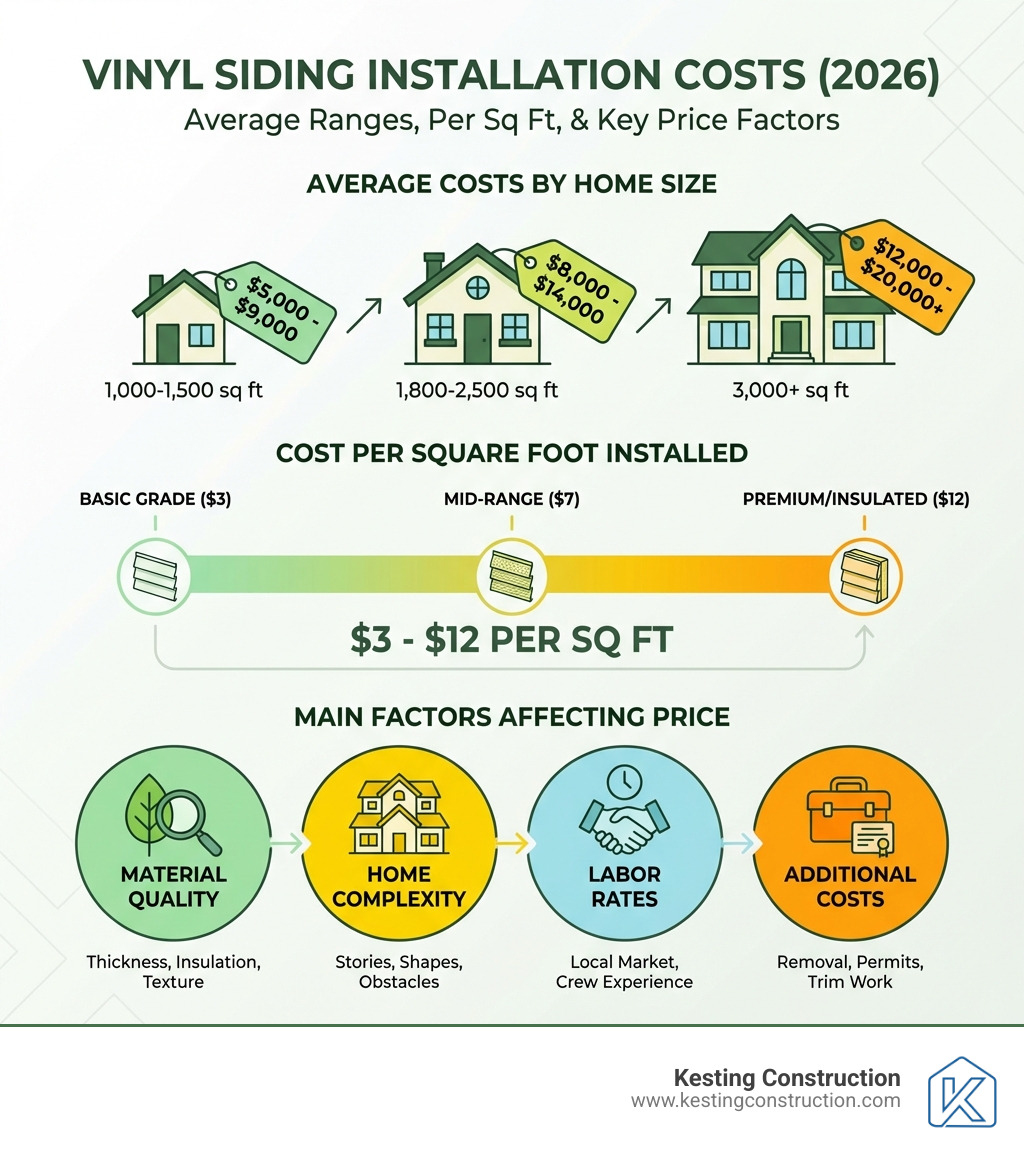
The cost to have vinyl siding installed ranges from $6,300 to $18,300 for most homes, with a national average of around $12,000 to $15,000. Per square foot, you’re looking at $3 to $12 installed, depending on material quality, home size, and local labor rates.
Quick Cost Breakdown:
| Home Size | Typical Cost Range |
|---|---|
| 1,000-1,500 sq ft | $5,000 – $9,000 |
| 1,800-2,500 sq ft | $8,000 – $14,000 |
| 3,000+ sq ft | $12,000 – $20,000+ |
Key factors that affect your final price:
- Material thickness and quality
- Architectural complexity of your home
- Removal of old siding
- Labor rates in Pennsylvania
- Additional trim, soffit, and fascia work
Re-siding your home is an impactful, though expensive, renovation. New siding protects your home, improves energy efficiency, and boosts curb appeal, offering an average ROI of 80% at resale.
For Pennsylvania homeowners facing cracked, faded, or damaged siding, understanding installation costs is key to budgeting wisely. Labor makes up 30-50% of the total, highlighting the importance of choosing an experienced contractor.
Beyond square footage, your home’s shape, exterior condition, and installation season affect the price. Contractors may offer 10-20% off-season discounts in fall and winter, but be aware of potential weather delays.
Let’s break down what you’re paying for and where you can save.
Vinyl Siding Installation Costs: The Big Picture
The cost to have vinyl siding installed is a spectrum, not a single price. The national average of $12,000 to $15,000 is a good starting point for Pennsylvania homeowners, but local factors cause variations. On a per-square-foot basis, expect to pay between $3 and $12, a range that covers everything from basic vinyl to premium, insulated options.
Key takeaways for Pennsylvania homeowners:
- Average Investment: Expect to invest between $6,300 and $18,300 for a full replacement.
- Per Square Foot: Prices range from $3 to $12 per square foot installed.
- Major Influencers: Material quality, home complexity, and local labor rates are the biggest cost drivers.
- ROI: New vinyl siding offers a strong return on investment of around 80%.
These figures are a starting point; now let’s explore the details that make up the final cost.
Breaking Down the Average Cost to Have Vinyl Siding Installed
Estimating the cost to have vinyl siding installed for your home in Harleysville, Yardley, or another Pennsylvania service area requires looking beyond averages at your property’s unique characteristics.
Key Factors That Influence the Cost to Have Vinyl Siding Installed
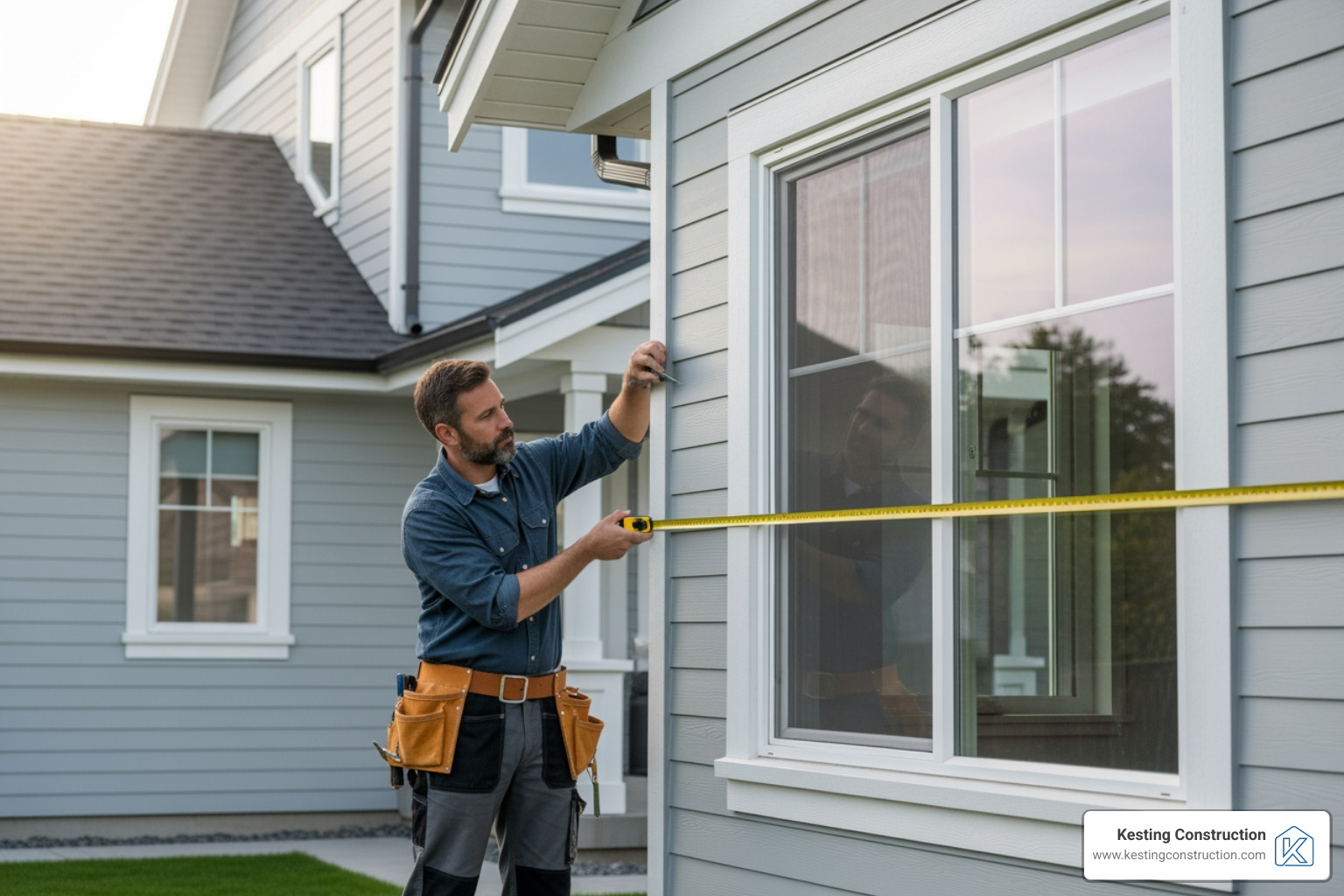
Several factors contribute to your project’s price:
-
Material Quality & Thickness: Vinyl siding thickness ranges from builder’s grade (.40mm) to premium grade (.52mm+). Thicker vinyl costs more but offers greater durability, impact resistance, and a longer lifespan, reducing the risk of warping.
-
Home Size & Square Footage: The more exterior surface area, the more materials and labor are required. Siding is priced by the “square” (100 square feet), so a larger home means a higher total cost to have vinyl siding installed.
-
Architectural Complexity: Simple, rectangular homes are less expensive to side than complex ones with multiple stories, gables, or dormers. Intricate architecture requires more precise cuts, specialized trim, and time, increasing labor costs.
-
Labor Rates: Labor is 30-50% of the total project cost, averaging $2 to $5 per square foot. Rates vary by contractor experience, job complexity, and local demand in areas like Montgomery County. Skilled installation prevents costly future repairs like warping or moisture intrusion.
-
Geographic Location (Pennsylvania): Costs are influenced by your specific location. Factors like local labor rates, material transport costs, and building codes can vary between areas like Allentown and Pottstown. We provide transparent, localized estimates.
Exploring Vinyl Siding Types and Their Costs
Vinyl siding offers a diverse array of styles, each with its own price point.
Here are popular options and their typical material costs per square foot (installed costs are higher):
- Traditional Lap (Clapboard): The most common and affordable horizontal style, costing $1 to $6 per square foot (material only).
- Dutch Lap: Features a decorative groove for a shadow line, giving it a hand-carved look. Costs slightly more than traditional lap at $3 to $8 per square foot.
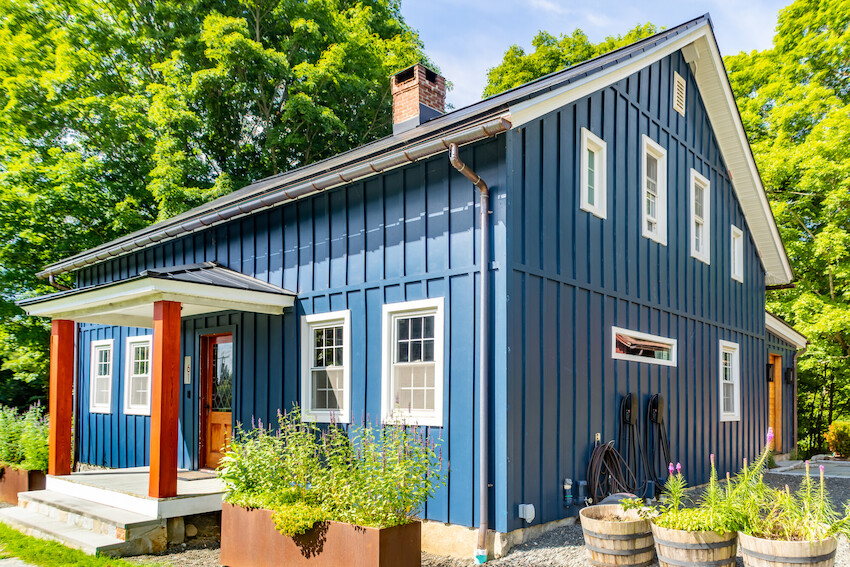
- Board and Batten: A vertical style with a rustic or modern farmhouse look. Installation is more complex, with costs from $2.50 to $8 per square foot.
- Shake & Scalloped: Mimics cedar shakes or Victorian scallops for added texture. These are more expensive due to intricate design, costing $3 to $10 per square foot for shake and $4 to $9 for scalloped.
- Insulated Vinyl: This siding includes bonded rigid foam insulation for superior energy efficiency and reduced utility bills. It’s a premium option, costing $4 to $12 per square foot (material only), up to 50% more than standard vinyl.
For more insights, explore our resources on siding options and siding for energy efficiency.
Uncovering Additional Project Costs
Beyond material and labor, other costs can impact your budget:
-
Old Siding Removal: Removing old siding costs $1 to $2 per square foot ($1,000 to $3,000 total), including disposal. Hazardous materials like asbestos require specialized, more costly removal.
-
Building Permits: Siding replacement usually requires a local permit in Pennsylvania, costing $100 to $500. Your contractor typically handles this process.
-
Underlying Structural Repairs: Once old siding is removed, we may find hidden damage like rot or pests. These essential repairs can add $500 to $5,000+ to the project cost.
-
House Wrap & Insulation: A new house wrap is a best practice for moisture protection. Adding rigid board insulation costs an extra $0.50 to $2 per square foot but offers long-term energy savings.
-
Soffit, Fascia, and Trim Work: These components are often updated during a siding project.
- Soffits: Replacing them can cost $1,000 to $4,000.
- Fascia: Replacing it can cost $1,000 to $3,300.
- Trim: This work, including flashing, can add $1,500 to $3,000.
Vinyl Siding: Value, Benefits, and Considerations
Choosing vinyl siding for your Pennsylvania home involves weighing its benefits and limitations.
Pros and Cons of Vinyl Siding
Consider the pros and cons of vinyl siding:
Pros:
- Affordability: Vinyl is one of the most budget-friendly exterior cladding options.
- Extensive Color and Style Variety: It offers a vast palette of colors and textures to match any architectural style.
- Low Maintenance: Vinyl never needs painting and cleans easily with a hose and mild soap. Learn more in our guide on cleaning vinyl siding.
- Durability: Modern vinyl withstands harsh weather and is resistant to rot, pests, and corrosion.
- Energy Efficiency: Insulated options can improve your home’s thermal performance and lower energy bills.
- Quick Installation: Vinyl can be installed relatively quickly, minimizing disruption.
Cons:
- Lower Durability Compared to Some Materials: It can be punctured or cracked by strong impacts.
- Potential for Cracking/Warping: Lower-quality vinyl can become brittle in extreme cold or warp if improperly installed.
- Repair Challenges: Patching is difficult; damaged panels usually require full replacement.
- Aesthetic Limitations: Some feel it lacks the authentic look of natural wood or stone.
- Environmental Concerns: PVC production and disposal can have environmental impacts, though recycling is improving.
How Vinyl Siding Compares to Other Common Siding Materials
It’s helpful to compare vinyl to other materials. While we specialize in James Hardie fiber cement siding, we know homeowners consider all options:
- Cost: Vinyl is the most affordable upfront option compared to fiber cement, wood, brick, or stone.
- Durability: Fiber cement and brick are more durable. Wood requires significant maintenance to prevent rot and pests.
- Maintenance: Vinyl is very low maintenance. Wood needs regular staining, and fiber cement needs repainting every 10-15 years. Brick is also low maintenance.
- Aesthetics: While vinyl offers many styles, some prefer the natural look of wood, the elegance of brick, or the texture of fiber cement.
For a deeper dive, read our guide on siding materials pros and cons.
Return on Investment (ROI) for New Siding
Replacing siding is an investment. The return on investment (ROI) for new vinyl siding is impressive.
- Curb Appeal Boost: New siding instantly revitalizes your home’s exterior.
- Increased Home Value: An updated exterior directly translates to increased property value.
- Vinyl Siding ROI (~80%): Vinyl siding replacement has an average ROI of 80%. This makes it one of the best home improvement projects for recouping costs at resale. While fiber cement’s ROI is slightly higher (around 88%), vinyl is a strong contender due to its lower upfront cost.
Making Smart Choices: Repair, Replace, DIY, or Pro?
When your siding shows its age, you must decide whether to repair or replace, and whether to do it yourself or hire a pro.
Repair vs. Full Replacement: When to Fix and When to Re-side
Deciding between repair and replacement is a common dilemma for homeowners in areas like Trooper and Schwenksville. Here’s how to decide:
- Age of Siding: If your siding is 20-40 years old and nearing the end of its lifespan, replacement is usually the most economical long-term choice.
- Extent of Damage (50% Rule): If repair costs exceed 50% of a full replacement, it’s more financially sensible to replace the siding entirely.
- Widespread Fading or Cracking: Extensive fading, cracking, or brittleness indicates the material is degrading and needs full replacement.
- Signs of Water Intrusion: Peeling interior paint, mold, or soft spots on walls could mean water is getting behind the siding, necessitating a full replacement.
- Cost of Repairs vs. Replacement: Individual repairs cost $2 to $4 per square foot. A small repair might be $1,600, but extensive damage can make a full replacement more cost-effective.
DIY vs. Pro: How Does it Affect the Cost to Have Vinyl Siding Installed?
DIY can seem tempting to save on the 30-50% labor cost, but it’s crucial to understand the risks.
Required Skills and Tools: Siding installation requires specialized tools and advanced carpentry skills to manage expansion gaps, proper fastening, and flashing.
Risks of Improper Installation: Improper DIY installation can lead to costly issues like:
- Warping and Buckling: Nailing panels too tightly prevents natural expansion and contraction.
- Moisture Damage: Incorrect flashing can lead to rot, mold, and structural damage.
- Voided Warranties: Most manufacturer warranties require professional installation.
- Safety Hazards: Working on ladders and scaffolding is risky.
Benefits of Professional Installation: Hiring pros like Kesting Construction offers advantages that justify the cost, including expertise, efficiency, warranties, and code compliance. We handle unexpected issues expertly.
How to Save Money on Your Siding Project
There are smart ways to manage your siding budget without sacrificing quality.
- Schedule During the Off-Season (Fall/Winter): Contractors may offer 10-20% discounts during slower months.
- Choose Standard Styles and Colors: Opting for standard lap siding in common colors reduces material costs.
- Get Multiple Detailed Quotes: Obtain at least three itemized quotes from reputable local contractors. Compare what’s included and evaluate reputation, as an unusually low price can be a red flag.
- Bundle with Other Exterior Projects: Contractors may offer discounts for larger, combined projects like roofing or windows.
- Consider Mid-Range Materials: Mid-range vinyl often strikes the best balance between cost, performance, and longevity.
- Do Some Prep Work Yourself (If Capable): You can save on labor by removing non-hazardous old siding yourself, but ensure you understand proper disposal methods.
Frequently Asked Questions about Vinyl Siding Costs
We often hear similar questions from homeowners in Montgomery County about the cost to have vinyl siding installed.
How long does vinyl siding typically last?
Vinyl siding lasts 20 to 40 years on average, but high-quality, professionally installed siding can last up to 60 years. Longevity depends on:
- Quality of Material: Premium-grade vinyl is more durable and lasts longer than builder-grade options.
- Quality of Installation: Proper installation is critical; mistakes can drastically reduce its lifespan.
- Climate: Extreme temperatures, UV exposure, and severe weather in Pennsylvania can affect long-term performance.
- Maintenance: Regular cleaning prevents buildup that can degrade the material.
Vinyl’s lifespan is generally shorter than brick (100+ years) or fiber cement (50+ years), but often longer than high-maintenance wood (20 years).
Can you install new vinyl siding over old siding?
Yes, you can sometimes install new vinyl over existing siding (like sound wood or stucco) to save on removal costs. However, we don’t recommend it if:
- The old siding is damaged, as this traps problems like rot or mold.
- The surface is uneven, which will create a wavy finish.
- The existing siding is too thick or contains asbestos.
Installing over old siding can save money, but a professional assessment is crucial to determine if it’s a viable option for your home.
How much does it cost to paint vinyl siding?
Though vinyl doesn’t require painting, some homeowners paint it for a color change. The cost is typically $2,000 to $5,000, depending on home size and job complexity.
- When to Consider Painting: If your siding is structurally sound but the color is faded or outdated.
- Type of Paint Required: You must use 100% acrylic latex paint formulated for vinyl. Avoid dark colors that can absorb heat and cause warping.
- Lifespan of a Paint Job vs. Replacement: A paint job on vinyl lasts 5-10 years, while new siding lasts 20-40+ years. Though cheaper upfront, painting becomes a recurring cost. Replacing faded vinyl often offers better long-term value.
Your Next Step to a Beautiful, Protected Home
We’ve covered the key factors of vinyl siding installation costs, from materials and project variables to the strong ROI and the choice between repair or replacement.
For homeowners in Harleysville, Doylestown, and Allentown, siding is your home’s first line of defense. Investing in quality materials and expert installation is crucial for long-term protection, energy efficiency, and home value, as improper installation can lead to costly damage.
At Kesting Construction, we understand that every home and budget is unique. We pride ourselves on transparent pricing, exceptional craftsmanship, and superior customer service. Our commitment is to ensure your home receives the long-lasting protection and curb appeal it deserves.
Ready to explore the possibilities for your home? Don’t leave your biggest investment to chance.
Get a professional estimate for your siding project with Kesting Construction today. We’re here to help you decode the dollars and make the best decision for your Pennsylvania home.