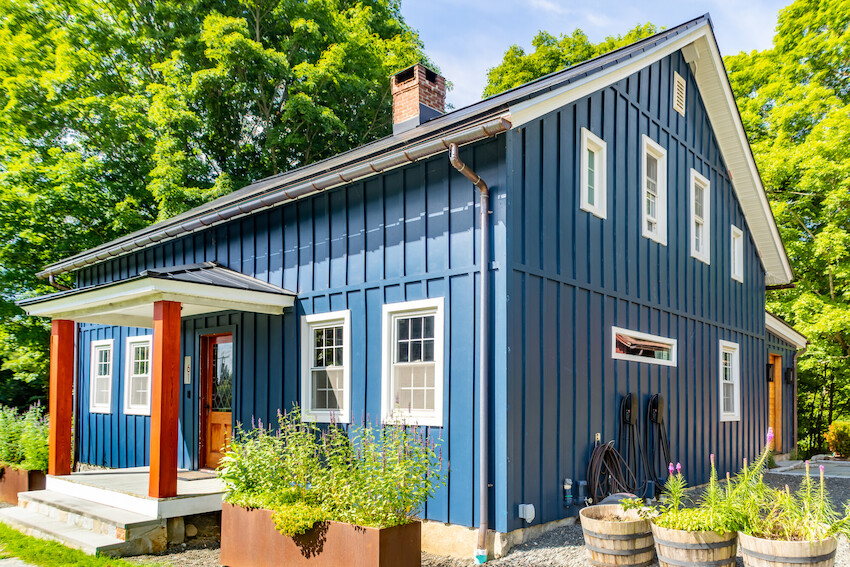
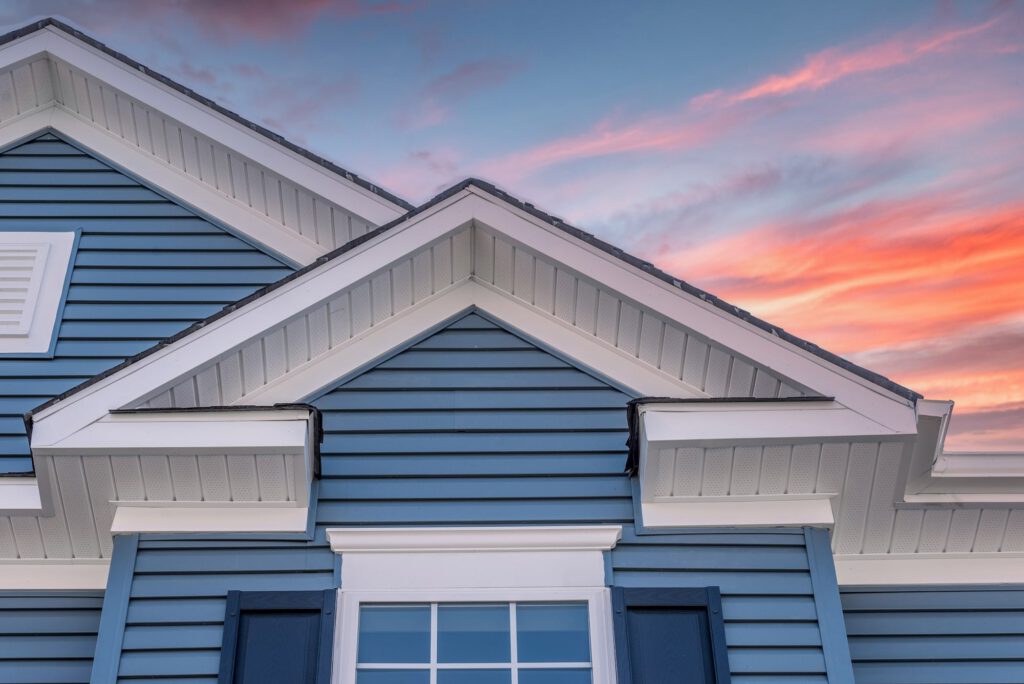
Why Understanding Siding Costs Per Square Foot Matters
The cost of siding per square foot installed typically ranges from $3 to $30, depending on your material choice and project complexity. Most Pennsylvania homeowners spend between $12,000 and $37,500 to reside an average home, with the national average landing around $10,693.
Quick Cost Reference by Material:
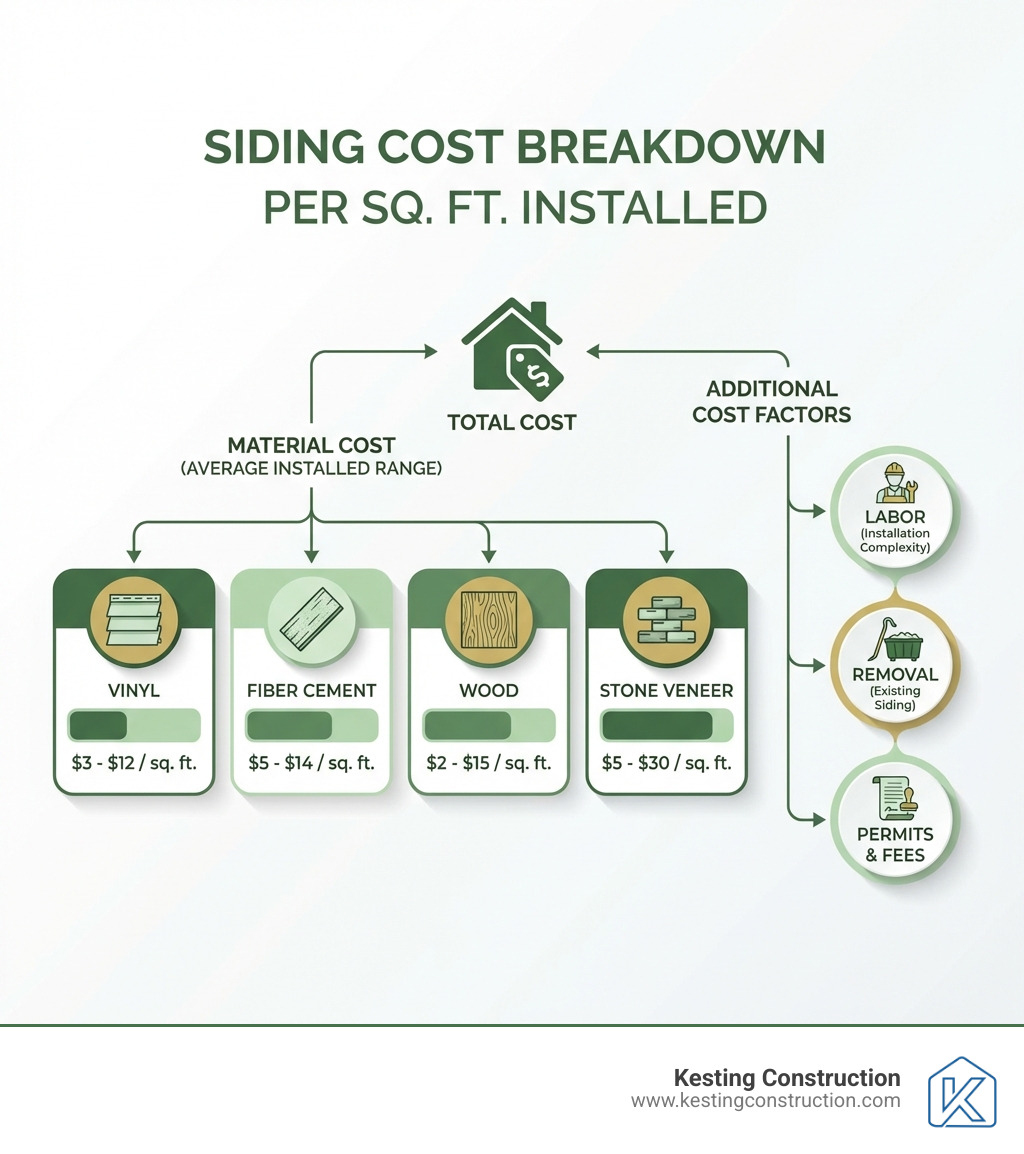
- Vinyl Siding: $3 – $12 per sq. ft. installed
- Fiber Cement: $5 – $14 per sq. ft. installed
- Wood Siding: $2 – $15 per sq. ft. installed
- Aluminum/Steel: $3 – $16 per sq. ft. installed
- Stone/Brick Veneer: $5 – $35+ per sq. ft. installed
If you’re a Pennsylvania homeowner dealing with aging siding, skyrocketing energy bills, or weather damage, understanding these costs helps you budget for a project that protects your biggest investment. New siding isn’t just about looks—it can recoup up to 80% of your investment when you sell and dramatically reduce heating and cooling costs.
But here’s the challenge: the price per square foot is just the starting point. Labor rates, your home’s architectural complexity, the condition of your existing siding, and even the time of year all influence your final quote. A simple one-story ranch will cost far less per square foot to side than a multi-story Victorian with turrets and bay windows.
The good news? Once you understand what drives siding costs, you can make informed decisions that balance your budget with long-term value. Whether you’re drawn to low-maintenance vinyl, premium fiber cement, or classic wood, knowing the true cost per square foot—including installation—helps you plan a project that improves your home’s curb appeal and protection for decades to come.
Siding Cost Per Square Foot: A Material-by-Material Breakdown
When it comes to updating your home’s exterior, the material you choose is the single biggest factor influencing the overall cost of siding per square foot installed. Each option brings its own set of benefits, aesthetic appeal, maintenance requirements, and, of course, price tag. Let’s break down the most popular choices available to homeowners in Pennsylvania.
| Material | Average Cost/Sq. Ft. Installed | Lifespan | Maintenance | Pros | Cons |
|---|---|---|---|---|---|
| Vinyl Siding | $3 – $12 | 20-40 years | Low (wash annually) | Most affordable, wide color/style range, low maintenance, resists rot/insects | Can melt in high heat, crack in extreme cold, colors can fade over time |
| Fiber Cement Siding | $5 – $14 | 50+ years | Low (repaint every 15-20 years, wash annually) | Highly durable, fire-resistant, rot/pest resistant, can mimic wood/stone, excellent ROI | Heavier, more complex installation, requires repainting |
| Wood Siding | $2 – $15 | 20-40 years | High (repaint/restain every 3-5 years) | Natural aesthetic, classic look, good insulator | High maintenance, susceptible to rot, insects, fire |
| Stone & Brick Veneer | $5 – $30 | 40-100+ years | Very Low (wash as needed) | Highly durable, classic aesthetic, fire/pest resistant, natural insulator | High upfront cost, heavy, complex installation |
For a deeper dive into the characteristics of each material, you can explore our detailed guide on siding materials’ pros and cons.
Vinyl Siding
Vinyl siding remains a perennial favorite among Pennsylvania homeowners, and for good reason! It’s one of the most economical options, with the cost of siding per square foot installed typically ranging from $3 to $12. Some basic options can start at just $3 per square foot, while higher-quality, insulated vinyl can reach $12 or more. We often see homeowners paying between $4.50 and $8.20 per square foot for mid-range vinyl siding.
This popularity stems from its low maintenance and impressive durability. Vinyl siding is designed to withstand our region’s varied weather, handling freeze-thaw cycles well without rotting or warping. It doesn’t require painting, saving you significant time and money over its 20-40 year lifespan. To keep it looking pristine, a simple wash once or twice a year with a garden hose and mild soap is usually all it takes. For comprehensive tips, check out our guide on how to clean vinyl siding.
While vinyl is incredibly versatile with a wide array of colors and styles, it’s worth noting that it can sometimes melt in high heat or become brittle in extreme cold. However, advancements in manufacturing have significantly improved its performance in recent years.
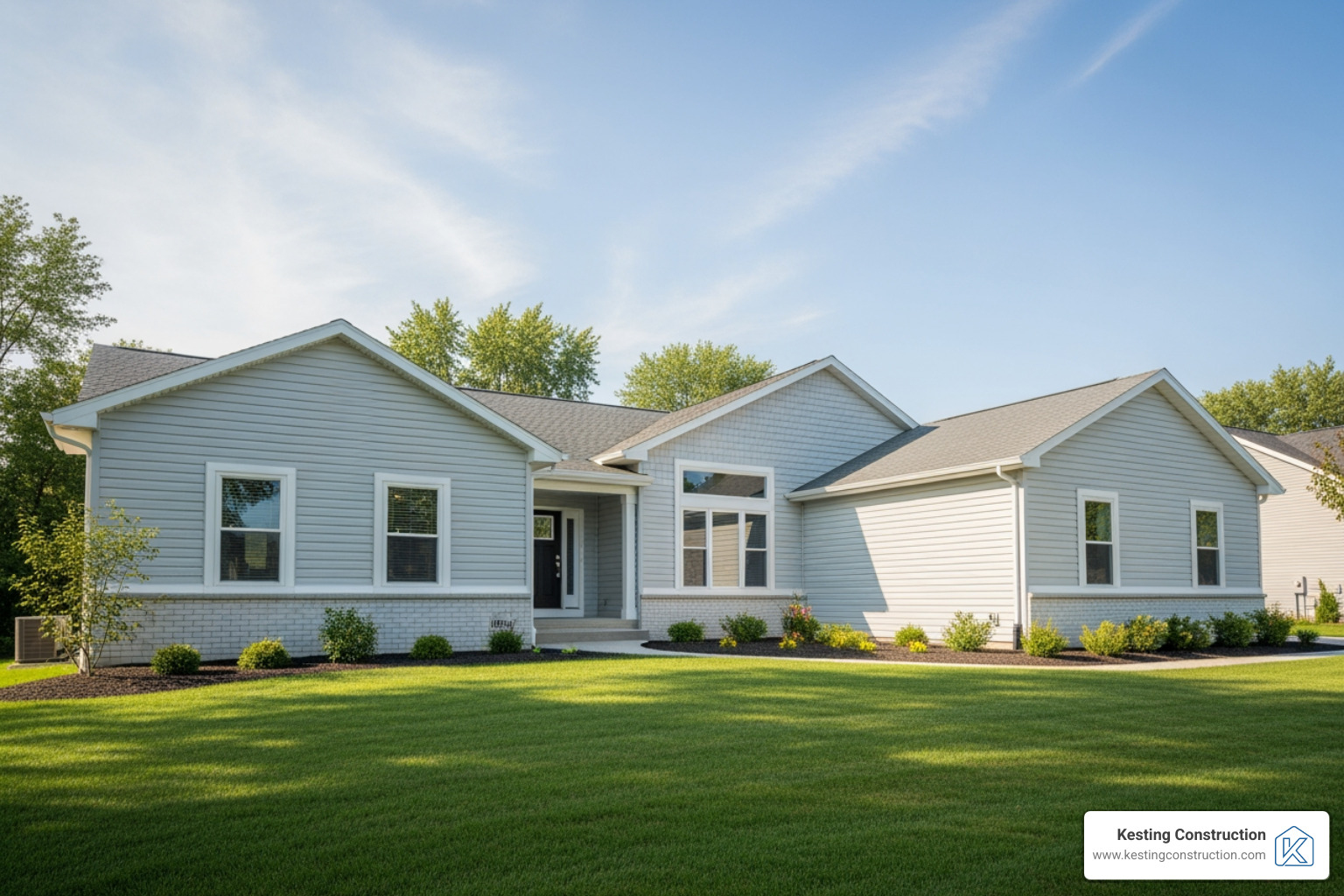
Fiber Cement Siding
If you’re looking for a siding material that offers exceptional durability, fire resistance, and a superior aesthetic, fiber cement is an outstanding choice. This material, famously championed by brands like James Hardie, typically costs between $5 and $14 per square foot installed. Premium fiber cement options, like those we install, might range higher, offering unparalleled longevity and performance.
Fiber cement siding is engineered to last, boasting a lifespan of 50 years or more. It’s highly resistant to rot, pests, and even fire, providing robust protection for your home. In fact, James Hardie fiber cement products have a Class A fire rating. This material is incredibly versatile, capable of mimicking the look of traditional wood, clapboard, or even stucco, but without the associated maintenance headaches.
While it requires repainting every 15-20 years to maintain its vibrant appearance, its overall maintenance is minimal. A simple annual wash is usually sufficient. We are proud to be a James Hardie Elite Preferred Contractor, ensuring that our installations meet the highest standards for this award-winning building product. You can learn more about this fantastic option and see why it’s consistently recognized as an award-winning building product.
Siding Cost Examples by House Size
Understanding the per-square-foot cost is essential, but how does that translate to the total project cost for a typical Pennsylvania home? The exterior wall area requiring siding is often greater than your home’s interior square footage due to factors like rooflines, gables, and architectural projections. A good rule of thumb is to add 20-30% to your interior square footage to estimate the siding area.
Let’s look at some examples using average cost of siding per square foot installed for vinyl and fiber cement:
-
1,500 sq ft Home (e.g., 1-story bungalow):
- Estimated siding area: 1,800 – 1,950 sq ft (assuming a single story with average complexity).
- Vinyl Siding ($6/sq ft): $10,800 – $11,700
- Fiber Cement Siding ($10/sq ft): $18,000 – $19,500
- One source suggested a 1,500 sq ft bungalow might need 1,100 sq ft of siding, costing around $9,460, but this can vary wildly based on house shape.
-
2,000 sq ft Home (e.g., 2-story cape cod):
- Estimated siding area: 2,400 – 2,600 sq ft (a 2,000 sq ft home can require around 2,480 sq ft of siding).
- Vinyl Siding ($6/sq ft): $14,880 – $15,600
- Fiber Cement Siding ($10/sq ft): $24,800 – $26,000
- The national average for mid-range siding on a 2,000 sq ft house is about $17,200, or $8.60 per square foot installed, which aligns well with these ranges.
-
2,500 sq ft Home (e.g., 2-story custom home):
- Estimated siding area: 3,000 – 3,250 sq ft (a 2,500 sq ft home could need about 3,200 sq ft of siding).
- Vinyl Siding ($6.40/sq ft): $19,200 – $20,800 (The average cost for vinyl siding on a 2,500 sq ft home can range from $13,325 to $24,300, or around $6.40 per square foot with high-quality options up to $8.20).
- Fiber Cement Siding ($10/sq ft): $30,000 – $32,500
- A 2,500 sq ft home might cost around $27,520 for siding.
These figures are estimates. For an accurate quote custom to your specific home in Harleysville, Yardley, or any of our service areas, we always recommend getting a personalized estimate.
What Else Affects the Cost of Siding Per Square Foot Installed?
While your choice of siding material significantly impacts the cost of siding per square foot installed, it’s far from the only factor. Many other variables can swing your final project quote, sometimes by thousands of dollars. Understanding these additional influences will help you budget more accurately and avoid unwelcome surprises.
Labor Costs
Labor is a substantial portion of any siding installation project. In Pennsylvania, labor costs typically range from $1 to $4 per square foot, but can be as high as $5 per square foot for complex installations or premium materials like stone. This translates to an average hourly rate of $40 to $75.
Several factors influence these rates:
- Regional Price Variations: Even within Pennsylvania, labor costs can differ slightly between areas like Montgomery County and more rural locations.
- Contractor Experience: Highly experienced and reputable contractors, like Kesting Construction, who specialize in specific materials (e.g., James Hardie siding), may charge slightly more, but their expertise often leads to a more efficient, higher-quality, and longer-lasting installation. An unusually low price can sometimes indicate inferior workmanship, which we always advise against.
- Installation Complexity: Materials that are heavier (like fiber cement or stone), require more precise cuts, or have intricate installation methods will naturally incur higher labor costs.
Home Size and Complexity
The size and architectural style of your home play a huge role in determining the total cost of siding per square foot installed.
- Multi-story Homes: Siding a two-story or three-story home costs more than a single-story ranch. Installers need specialized equipment like scaffolding or lifts, which adds to labor time and equipment rental costs.
- Architectural Details: Homes with complex shapes, multiple corners, gables, turrets, bay windows, or other intricate features require more material cuts and meticulous fitting. This increases both material waste and labor time, driving up the per-square-foot cost compared to a simple, rectangular house.
- Windows and Doors: Each window and door opening requires careful trimming, flashing, and sealing, adding to the labor and material costs for these specific areas.
Other Costs to Consider
When budgeting for your siding project, it’s easy to focus solely on the material and basic installation. However, several other costs can significantly impact your final invoice. We believe in transparency, so we’re here to help you understand these potential expenses:
- Old Siding Removal: If we’re replacing existing siding, the old material needs to be removed and disposed of. This process typically costs between $1,000 and $3,000. The price can increase if the old siding is heavily worn, damaged, or contains hazardous materials like lead paint (common in older homes), requiring specialized abatement.
- Structural Repairs: Once the old siding is removed, we might uncover underlying issues like rotten sheathing, damaged framing, or pest infestations. Addressing these structural repairs is crucial for the integrity of your home and the proper installation of your new siding, but it will add to the overall cost.
- House Wrap and Insulation: Installing new house wrap and/or additional insulation before the siding goes up is an excellent investment. House wrap acts as a weather barrier, protecting your home from moisture, while insulation boosts energy efficiency. These additions will increase your upfront cost but can lead to significant long-term savings on energy bills. We are experts in energy-efficient siding options.
- Permits: In Pennsylvania, building permit requirements for siding can vary by municipality (e.g., Harleysville, Allentown, Philadelphia). Most areas require permits for full siding replacement, costing anywhere from $150 to $1,500, depending on local government regulations and the scope of work. Don’t worry, we handle all permit applications for you as part of our service, ensuring compliance with local bylaws. For more information specific to our region, read our article on siding cost in Pennsylvania.
DIY vs. Professional Installation
Deciding whether to tackle your siding project yourself or hire a professional is a critical choice that balances upfront savings against long-term performance and potential risks. While the idea of saving money on the cost of siding per square foot installed by doing it yourself can be tempting, it’s crucial to understand the full picture.
The DIY cost of siding per square foot installed
For homeowners with significant experience, the right tools, and plenty of time, a DIY siding installation can save on labor costs, potentially reducing the overall cost of siding per square foot installed by $1 to $4. In this scenario, you would only pay for materials, waste, and fasteners, which typically run $1 to $12 per square foot.
Vinyl siding is often considered the most popular DIY material due to its relative ease of installation. However, even with vinyl, there are specialized techniques for cutting and fastening to allow for expansion and contraction, especially in our Pennsylvania climate. You’d also need to factor in tool rentals, such as a pressure washer (around $40 per day) for prep work, and specialized siding tools.
However, DIY siding comes with significant risks:
- Improper Installation: Mistakes can lead to serious issues like water penetration, mold growth, and structural damage, which will be far more expensive to fix than the initial labor savings.
- Voided Warranties: Many siding manufacturers require professional installation for their product warranties to be valid. An incorrect DIY job could leave you without coverage.
- Safety Hazards: Working on ladders or scaffolding, especially on multi-story homes, can be dangerous.
- Time and Frustration: Siding an entire house is a massive undertaking that can take weeks or months for an amateur, often leading to frustration and an unfinished project.
Hiring a Professional Siding Contractor
When you choose a professional siding contractor like Kesting Construction, you’re investing in expertise, efficiency, and peace of mind. While the initial cost of siding per square foot installed will include labor, the long-term value often outweighs the DIY savings.
Here’s what you gain by partnering with us:
- Guaranteed Workmanship: We stand by our work. As a James Hardie Elite Preferred Contractor, we adhere to the highest installation standards, ensuring your siding is installed correctly and efficiently. We even offer a lifetime written workmanship warranty on all our installations.
- Expertise with Materials: Our teams are highly trained in installing all types of siding, including specialized materials like fiber cement. This expertise ensures proper flashing, sealing, and fitting, which are crucial for the siding’s performance and longevity.
- Peace of Mind: You won’t have to worry about improper installation, potential water damage, or spending your weekends on a difficult project. We handle everything from permit applications to final cleanup.
- Long-Term Value: Professional installation maximizes your siding’s lifespan and performance, protecting your investment for decades. It also ensures your manufacturer’s warranty remains intact. Our exceptional craftsmanship, guaranteed quality, and superior customer service ensure long-lasting protection for homes across our service areas, including Harleysville, Lansdale, and Allentown.
Frequently Asked Questions about Siding Costs
We often hear similar questions from homeowners in Yardley, Coatesville, and across Pennsylvania when they’re considering a siding project. Here are some of the most common ones, along with our expert answers:
What is the most cost-effective siding?
This is a fantastic question, and the answer depends on whether you’re looking at short-term or long-term costs.
- Short-term: Vinyl siding generally offers the lowest initial cost of siding per square foot installed, making it the most budget-friendly option upfront. It’s also low maintenance, requiring no painting.
- Long-term: Fiber cement siding, especially premium brands like James Hardie, provides a better long-term return on investment. While its initial cost per square foot is higher than vinyl, its superior durability, resistance to fire, pests, and rot, and a lifespan of 50+ years mean fewer repairs and replacements over time. It holds paint better than wood and requires less frequent maintenance than many other materials. When considering the full lifecycle cost, fiber cement often proves to be the more economical choice. You can read more about this comparison in our article, “James Hardie vs. Vinyl Siding.”
How do I calculate the square footage of siding I need?
Calculating your home’s siding square footage is a key step in estimating costs. Here’s a simple method:
- Measure Each Exterior Wall: For each rectangular section of your home’s exterior walls, measure the height and the width. Multiply these two numbers to get the area in square feet (Height x Width = Area). Do this for all sides of your house.
- Calculate Gables and Triangles: For triangular sections (like gables), measure the base and the height. Multiply these, then divide by two (Base x Height / 2 = Area).
- Sum All Areas: Add up the square footage of all your wall sections, including gables.
- Subtract Windows and Doors: Measure the height and width of each window and door. Calculate their areas and subtract the total from your overall wall area. This gives you a more accurate net siding area.
- Add for Waste: Finally, add 10% to 15% to your total for waste. This accounts for cuts, overlaps, and potential mistakes during installation. Siding is often sold in “squares,” where one square equals 100 square feet of material.
For example, if your net siding area is 2,000 sq ft, you’ll want to purchase enough for 2,200 to 2,300 sq ft.
Does new siding increase home value?
Absolutely! Installing new siding is one of the best home improvement projects you can undertake for a significant return on investment. It offers an average 75-80% return on investment when you sell your home.
Here’s why new siding is such a valuable upgrade:
- Boosts Curb Appeal: Fresh, attractive siding dramatically improves your home’s exterior, making it more appealing to potential buyers.
- Protects Your Investment: New siding acts as your home’s primary defense against weather, moisture, and pests, preserving its structural integrity.
- Improves Energy Efficiency: Modern siding materials, especially those with insulation, can significantly reduce heating and cooling costs.
It’s an investment that pays you back in both comfort and equity.
Protect Your Investment with Expert Siding Installation
Understanding the cost of siding per square foot installed is the first step toward a successful home exterior upgrade. While material choice sets the baseline, factors like labor, home complexity, and proper installation are crucial for a lasting, beautiful result. For a project that improves your home’s value and provides decades of protection, investing in quality materials and expert craftsmanship is key.
At Kesting Construction, we pride ourselves on delivering exceptional craftsmanship and guaranteed quality to homeowners across Harleysville, Lansdale, Bethlehem, and all our Pennsylvania service areas. As a James Hardie Elite Preferred Contractor, we ensure superior customer service and long-lasting protection for your home.
Ready to transform your home’s exterior? Explore our siding services and let us help you find the perfect solution that fits your budget and vision.